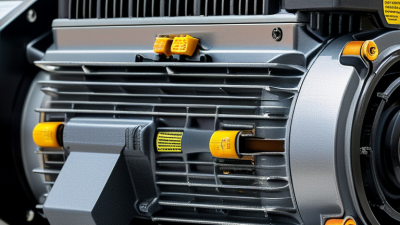
What Is an Electric Motor House and How Does It Work?
An electric motor house is the protective enclosure surrounding a motor’s stator, rotor, bearings, and electrical connections. The term is not perfectly standardized. Some engineers use it for the motor housing, while others mean a dedicated room containing several motors and control systems. This distinction matters when discussing safety, cooling, maintenance, and efficiency.
The International Energy Agency estimates that motor-driven systems consume roughly half of the world’s electricity. The U.S. Department of Energy also reports that motor systems represent more than 70% of electricity use in American manufacturing. These figures explain why a well-designed electric motor house deserves serious attention. It can protect windings from dust, guide airflow across cooling fins, and reduce vibration around the rotating shaft. Small details matter.
Paul Scheihing, a former U.S. Department of Energy advanced-manufacturing technology manager, stated, “Motor systems are the largest single use of electricity in U.S. manufacturing.” His observation connects the enclosure with the larger energy picture. A motor house does not create efficiency by itself. Correct alignment, suitable insulation, effective ventilation, and compatible variable-frequency drives do. Technicians may also check bearing noise, surface temperature, and unusual vibration during inspections. The explanation can seem simple. Real installations are not. Humidity, overloads, poor wiring, and neglected filters can quietly shorten motor life. This article examines what an electric motor house is, how it works, and where practical design assumptions may fail.
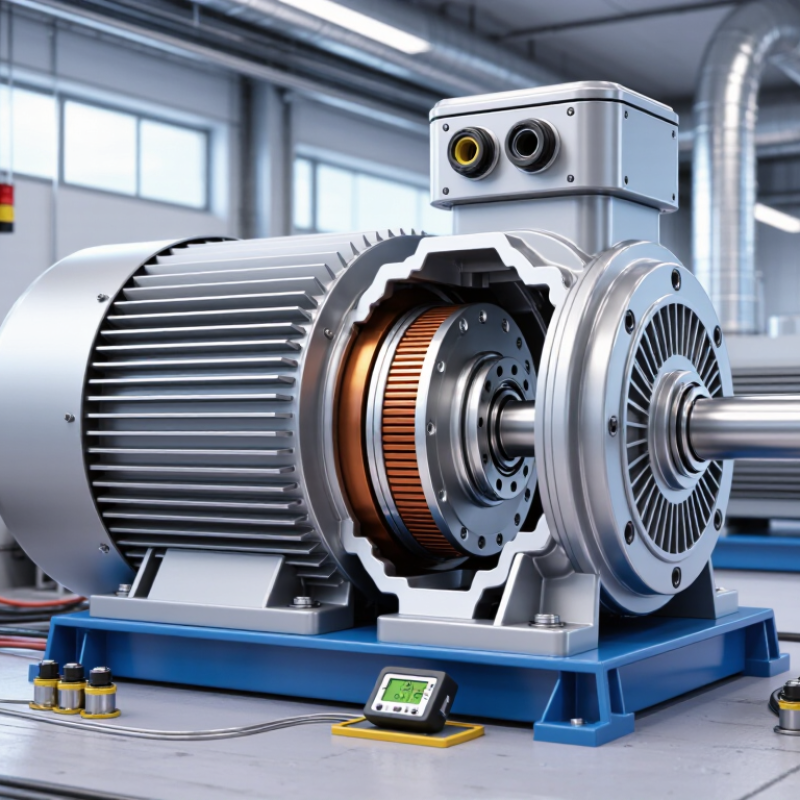
Definition and Purpose of an Electric Motor House
What Is an Electric Motor House and How Does It Work?
An electric motor house is the protective enclosure surrounding an electric motor. In technical documents, it may also mean the motor housing or frame. The wording is not perfectly standardized. It does not describe a building.
Its main purpose is protection. The housing holds the stator, rotor, bearings, and shaft in correct alignment. It also shields internal parts from dust, moisture, accidental contact, and mechanical impact.
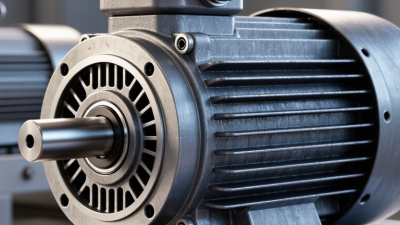
A rigid metal frame helps reduce vibration during operation. Cooling fins or ventilation openings release heat produced by electrical resistance and friction. Sealed designs offer stronger protection in damp or dusty workplaces.
The housing also supports reliable maintenance. Technicians can inspect the terminal box, fasteners, seals, and cooling passages without disturbing the rotating assembly. During operation, listen for unusual vibration or a scraping sound. These details may indicate bearing wear, poor alignment, or blocked airflow.
A warm surface is normal, but excessive heat requires investigation. Do not assume every motor house provides the same protection. Its performance depends on enclosure design, installation quality, operating conditions, and regular inspection. A small gap around a cable entry can defeat an otherwise well-sealed enclosure. That point is easy to miss.
Main Components Inside the Motor Housing
An electric motor house, often called the motor housing, is the protective shell around the motor’s working parts.
It keeps dust, moisture, and accidental contact away from sensitive components. More importantly, it holds the stator, bearings, and rotor in precise alignment. A poorly fitted housing can create vibration, noise, and early wear. In workshop inspections, small gaps around a bearing seat often reveal larger alignment problems. The shell is not merely a cover.
Inside, the stator remains fixed and carries copper windings around a laminated iron core. When current passes through the windings, a rotating magnetic field develops. The rotor responds inside this field and turns the output shaft. Bearings support smooth rotation, while seals help retain lubricant and block contaminants. Cooling fins or internal air channels move heat away from the windings. Some housings also include a fan, terminal box, and mounting feet. Each part has a practical job.
During maintenance, I would check bearing noise, shaft play, loose terminals, and blocked cooling paths. A hot surface does not always mean failure, but repeated overheating deserves attention. Housing material matters too; metal handles heat well, while engineered polymers may reduce weight and resist corrosion. Yet design choices are never perfect. A sealed housing protects better, but it can make heat harder to escape. That trade-off should be judged against load, speed, environment, and service access.
How the Motor House Supports Motor Operation
An electric motor house is the rigid enclosure surrounding the motor’s working parts. It commonly supports the stator, rotor, bearings, end covers, and terminal connections. Its job is not merely to hide components. It keeps the rotor aligned and protects electrical parts from dust, moisture, and accidental contact.
During operation, the motor house transfers vibration and mechanical loads to the mounting surface. Accurate bearing seats help the rotor spin at a stable position. Even a small alignment error can create noise, heat, and premature bearing wear. The housing also helps move heat away from the windings. Cooling fins, ventilation openings, or a separate fan may carry this heat into the surrounding air.
The details matter.
A technician may check loose bolts, blocked vents, unusual vibration, and damaged seals during inspection. A clean ventilation path can prevent heat from building inside the enclosure. In damp areas, the housing needs suitable protection and correctly sealed cable entries. The exact design depends on the motor’s speed, load, environment, and duty cycle.
A motor house can be strong without being perfect. Corrosion, small cracks, or distorted mounting feet may develop over time. These problems deserve attention before they affect alignment or insulation. In practice, reliable motor operation depends on the whole support system, not only the electrical windings.
Materials, Designs, and Protection Features
What Is an Electric Motor House and How Does It Work?
Materials, Designs, and Protection Features
An electric motor house, usually called an enclosure or frame, supports the stator, rotor, bearings, and cooling system. Its material affects strength, heat transfer, vibration, and corrosion resistance. Cast iron suits heavy industrial duty and absorbs vibration well. Aluminum reduces weight and releases heat quickly. Stainless steel performs better in washdown or corrosive environments, although it costs more. In field inspections, damaged coatings often create problems before structural failure appears.
Design choices also control efficiency. External cooling fins enlarge the heat-transfer area. A shaft-mounted fan moves air across the frame, while sealed bearings limit dust and moisture entry. The U.S. Department of Energy’s Motor Systems Market Assessment reports that motor-driven equipment uses about 68% of electricity in U.S. manufacturing. Better thermal control can therefore reduce both downtime and energy waste. The figure is significant.
Protection ratings define enclosure performance. IEC 60034-5 uses IP codes to describe resistance against solid objects and water. An IP55 design, for example, resists harmful dust deposits and water jets. Higher protection may be necessary near spray, chemicals, or conductive dust. However, a sealed enclosure can trap heat. Engineers must balance ingress protection with cooling capacity, ambient temperature, and load cycles. A heavier housing is not automatically safer. This is where design reviews sometimes need more skepticism.
Maintenance, Common Issues, and Service Requirements
An electric motor house is the protective enclosure around a motor’s stator, rotor, bearings, and wiring. It supports alignment and controls exposure to dust, moisture, and heat. Its design directly affects service life. The International Energy Agency reports that electric motor systems use about 53% of global electricity. Small maintenance failures can therefore create significant energy waste.
Maintenance should begin with inspection, not replacement. Technicians check vibration, unusual noise, bearing temperature, terminal tightness, insulation resistance, and cooling passages. The U.S. Department of Energy reports that motor-driven equipment can consume roughly 70% of industrial electricity. A blocked fan or loose connection may increase heat and reduce efficiency. Keep it clean. Lubricate bearings according to operating hours and lubricant requirements, not guesswork. Over-lubrication can be damaging.
Common issues include bearing wear, shaft misalignment, insulation breakdown, moisture entry, and repeated overloads. Infrared surveys can reveal hot terminals, while vibration testing may identify imbalance before failure. ISO 20816 provides guidance for evaluating machine vibration, but readings still require trained interpretation. Service intervals should reflect load, starts per hour, surrounding dust, and humidity. A calendar-only schedule is convenient, but often incomplete. A clean housing can still hide internal damage. Electrical testing must be performed by qualified personnel with proper isolation procedures. Industry reports offer useful averages, yet each motor’s operating history remains the harder truth.
What Is an Electric Motor House and How Does It Work?
An electric motor housing, sometimes called the motor enclosure, protects the stator, rotor, bearings, and windings from mechanical damage, dust, moisture, and overheating. It also helps transfer heat away from the windings during operation.
Maintenance note: The insulation thermal class indicates the maximum temperature the insulation system is designed to withstand. Regular cleaning, ventilation checks, bearing inspection, vibration monitoring, and terminal tightening help prevent overheating and premature motor failure.
Related Posts
-
7 Tips for Choosing the Right Electric Motor House?
-
China Best Electric Motor House Suppliers for Global Buyers?
-
Top Electric Motor Housing Manufacturers for Global Buyers
-

China Best Electric Motor House Suppliers for Your Business Needs?
-
How to Choose the Right Electric Motor Housing?
-
Understanding Motor Housing: Key Factors to Consider for Optimal Performance and Longevity