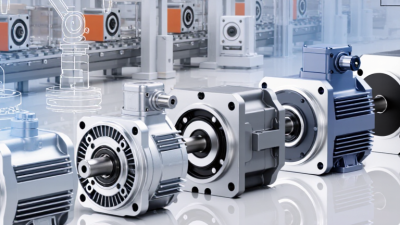
How to Choose the Right Electric Motor Housing?
Choosing the right electric motor housing begins with the operating environment, not the catalog photograph. A housing protects windings, bearings, terminals, and rotating parts from heat, dust, moisture, impact, and vibration. It also affects cooling, noise, alignment, and service life. Small details matter. A blocked cooling rib can raise internal temperature. A poor mounting surface can create damaging vibration.
Stephen J. Chapman, a respected electrical-machine author, describes the electric motor as “the workhorse of modern industry.” That statement explains why housing selection deserves careful attention. The motor may run quietly inside a workshop, beside a conveyor, or near saltwater spray. Each setting demands a different response. Aluminum offers low weight and useful heat transfer. Cast iron provides strength and vibration resistance. Stainless steel performs better where corrosion is severe, though it costs more. There is no perfect material.
This guide will examine enclosure ratings, thermal performance, mechanical strength, mounting design, sealing, and maintenance access. It will also consider application details that manufacturers sometimes overlook. Check the required IP rating, ambient temperature, duty cycle, shaft loads, and installation position. Confirm the manufacturer’s drawings and test data. Ask a qualified engineer when conditions are unusual.
A neat rule can still fail.
For example, a sealed housing may resist water entry but trap heat. A strong housing may add unnecessary weight. Even experienced buyers can miss this trade-off. The best choice balances protection, cooling, cost, serviceability, and long-term reliability. That balance should be documented before purchase, not guessed after failure.
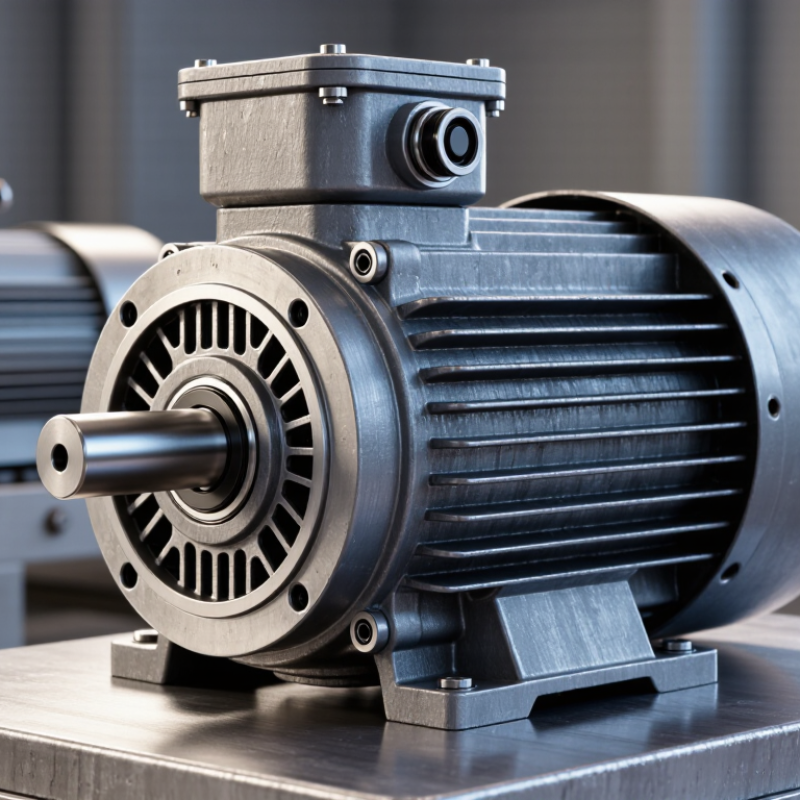
Define the Motor Housing’s Role in Protection and Performance
How to Choose the Right Electric Motor Housing?
Define the Motor Housing’s Role in Protection and Performance
A motor housing does more than cover internal components. It controls exposure, heat, vibration, and mechanical stress during operation. In a workshop, dust can settle into small openings within hours. Moisture creates a greater risk near washdown areas or outdoor equipment. Therefore, select an enclosure with protection suitable for its actual environment, not an ideal one.
Check the housing’s sealing level, material strength, and cooling design. A sealed enclosure can resist contaminants, but it may also trap heat. Aluminum transfers heat efficiently and reduces weight. Steel often provides stronger impact resistance. Mounting points must remain stable under repeated vibration. Even a small alignment error can increase bearing loads and shorten service life. Measure the installation space carefully before ordering.
I once focused too heavily on ingress protection and overlooked thermal clearance. The motor operated safely at low load, then ran hotter under continuous duty. That mistake changed my selection process. Now I examine ambient temperature, duty cycle, airflow, cable entry, and maintenance access together. Do not rely only on catalog ratings. Confirm test conditions and consult a qualified engineer when the housing supports high loads, frequent starts, or demanding environments. A well-chosen housing protects the motor while allowing it to perform consistently.
Match Housing Materials to Heat, Moisture, Chemicals, and Impact
How to Choose the Right Electric Motor Housing?
Match Housing Materials to Heat, Moisture, Chemicals, and Impact
An electric motor housing must handle its real surroundings, not just its rated power. Heat can weaken seals, damage insulation, and shorten bearing life. For hot areas, cast iron or aluminum housings often provide dependable heat transfer. However, confirm the motor’s temperature rating and cooling method. A housing that feels cool outside may still hide internal heat.
Moisture changes the decision. Outdoor equipment may face rain, condensation, washdown spray, or standing water. Choose sealed designs with suitable ingress protection, and inspect cable entries carefully. Stainless steel resists corrosion in damp or salty locations. Chemical exposure requires closer attention. Cleaning agents, solvents, and process fluids can attack coatings, gaskets, or polymer housings. Check compatibility data instead of guessing. I have seen a suitable enclosure fail because one small seal reacted badly with a cleaning chemical.
Impact matters too. A lightweight housing may work indoors but suffer near forklifts, tools, or falling parts. Cast materials offer strong protection, while reinforced polymers can reduce weight. The trade-off is easy to overlook.
Tips
List the highest temperature, wettest condition, and strongest chemical contact. Then check the housing material, seals, finish, and IP rating together. Do not rely on appearance alone. If conditions change seasonally, test the motor during the worst realistic exposure. Also, leave access for inspection. A perfectly sealed housing can still create maintenance problems.
Select the Right Enclosure Rating for the Installation Environment
How to Choose the Right Electric Motor Housing?
Selecting the right enclosure rating begins with the installation environment. A motor in a clean workshop faces different risks from one beside a washdown line. Dust, moisture, chemicals, heat, and impact can all shorten motor life.
IP ratings describe protection against solid particles and water. For example, an IP55 enclosure resists dust deposits and low-pressure water jets. An IP66 rating offers stronger dust protection and tolerates powerful water jets. However, IP ratings do not automatically address corrosion, ultraviolet exposure, or mechanical impact.
NEMA classifications provide another useful reference, especially for industrial installations. Check whether the housing suits indoor dust, outdoor rain, hose-directed water, or corrosive conditions. A stainless enclosure may perform better near salt spray, while a coated metal housing can suit a dry factory floor. Do not rely on appearance alone.
Think about the worst normal condition.
Inspect the mounting area carefully. Is water likely to collect beneath the motor? Could cleaning fluid enter through cable glands? Will the motor experience vibration, direct sunlight, or blocked airflow? These details often matter more than the rating printed on a specification sheet.
In field installations, I have seen suitable motors fail because cable entries were poorly sealed. That mistake is easy to overlook.
The enclosure rating also depends on correct installation, intact gaskets, and properly tightened fittings. Recheck the rating after maintenance, because a damaged seal can quietly change the protection level.
Compare Cooling Methods, Mounting Options, and Available Space
How to Choose the Right Electric Motor Housing?
Cooling performance should match the motor’s real working conditions. A fan-cooled housing suits open, clean areas with steady airflow. In dusty workshops, enclosed housings reduce contamination but may retain more heat. Check the rated temperature rise, duty cycle, and surrounding air temperature before choosing. A motor running near a hot furnace needs more thermal margin. Small vents can become blocked by lint or metal dust. That detail is easy to miss.
Mounting options affect alignment, vibration, and service access. Foot-mounted housings work well on rigid frames and allow simple belt alignment. Flange-mounted designs save space around the shaft, but they demand accurate face alignment. Flexible couplings can tolerate minor errors, not careless installation. Leave room for a torque wrench and bearing inspection. I have seen motors fit the drawing but fail during maintenance because the rear cover touched a wall.
Available space includes more than the housing itself. Measure the motor length, shaft extension, cable bend radius, and cooling clearance. Record these dimensions on site, not only from an old layout. A smaller housing may fit tightly, yet operate hotter than expected. Reserve extra clearance above the cooling fins when possible. This choice may feel inefficient. It can prevent repeated shutdowns later. Also check lifting access, drainage, and the direction of cable entry before approving the final arrangement.
How to Choose the Right Electric Motor Housing?
Compare cooling methods, mounting options, and available space using representative engineering indices. A score of 100 represents the open drip-proof baseline; higher thermal-capacity scores indicate better heat rejection, while lower clearance scores indicate a more compact installation requirement.
Selection guidance: ODP housings suit clean, dry indoor environments with ample ventilation. TEFC housings provide a stronger balance of protection and thermal performance for general industrial use. TENV designs are useful where external fan exposure or contamination is a concern, while water-cooled housings offer high thermal capacity when cooling-water infrastructure and service access are available. Verify the final frame size, shaft orientation, foot or flange mounting, and manufacturer clearance requirements before installation.
Verify Standards, Maintenance Needs, and Total Operating Cost
How to Choose the Right Electric Motor Housing?
Choosing an electric motor housing requires more than comparing dimensions or purchase prices. Verify standards before reviewing supplier quotations. Check the enclosure rating, insulation class, temperature limits, and vibration tolerance. Confirm applicable electrical safety requirements for the installation area. Request test reports, material certificates, and accurate dimensional drawings. Do not treat “industrial grade” as proof. It is only a claim. A dusty workshop needs different protection from a clean indoor room. Moisture, cleaning chemicals, and heat can quietly shorten motor life.
Maintenance needs should be visible during selection. Look for accessible inspection points, replaceable seals, practical cable entry, and enough clearance for routine servicing. In field assessments, I also check how easily technicians can remove covers with gloves. Small design choices matter. A housing that traps dirt may increase cleaning time and overheating risk. I have seen teams overlook this because the initial specification looked complete. No checklist catches every site problem.
Calculate total operating cost over the expected service period. Include energy losses, inspection labor, spare seals, downtime, transport, and disposal. A lower-cost housing may need frequent repairs or create longer stoppages. A stronger option may reduce those interruptions. Use realistic operating hours, not optimistic estimates. Review the calculation with maintenance staff. Their experience often exposes costs that purchasing records miss. Even then, assumptions should be documented and challenged annually.
Related Posts
-
Top Electric Motor Housing Manufacturers for Global Buyers
-
What Are the Top Electric Motor Housing Types in 2026?
-
7 Tips for Choosing the Right Electric Motor House?
-
Best Electric Motor Housing Solutions for Global Buyers?
-
Understanding Motor Housing: Key Factors to Consider for Optimal Performance and Longevity
-
2026 How to Choose the Right Motor Housing for Your Needs?