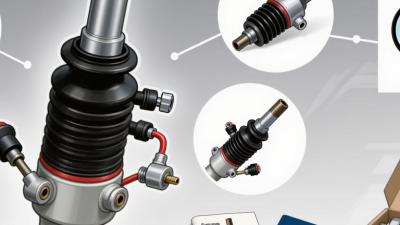
Where to Buy Ford Steering Column Parts in China?
Finding reliable ford steering column parts in China depends on the vehicle and repair requirements. A steering column assembly may include shafts, bearings, switches, brackets, or electronic components. Small differences in model year, trim, and steering configuration can affect fitment. Start with the VIN, part number, and clear photos of the original component. A familiar-looking part is not proof of compatibility. That matters.
Buyers can compare established manufacturers, specialist exporters, and reputable B2B platforms. Ask each supplier for a written fitment confirmation, product specifications, and recent photos of the actual part. Check the company’s business details and whether it can provide traceable quality documents. For safety-related steering components, clarify inspection procedures, warranty terms, and return arrangements before paying. A sample or third-party inspection may help when ordering in volume. Keep communication and agreed specifications in writing. These steps do not guarantee a perfect purchase; listings can be incomplete, and supplier claims still need verification. The sections ahead explain what to check, which questions to ask, and how to assess a China-based source without relying on price alone.
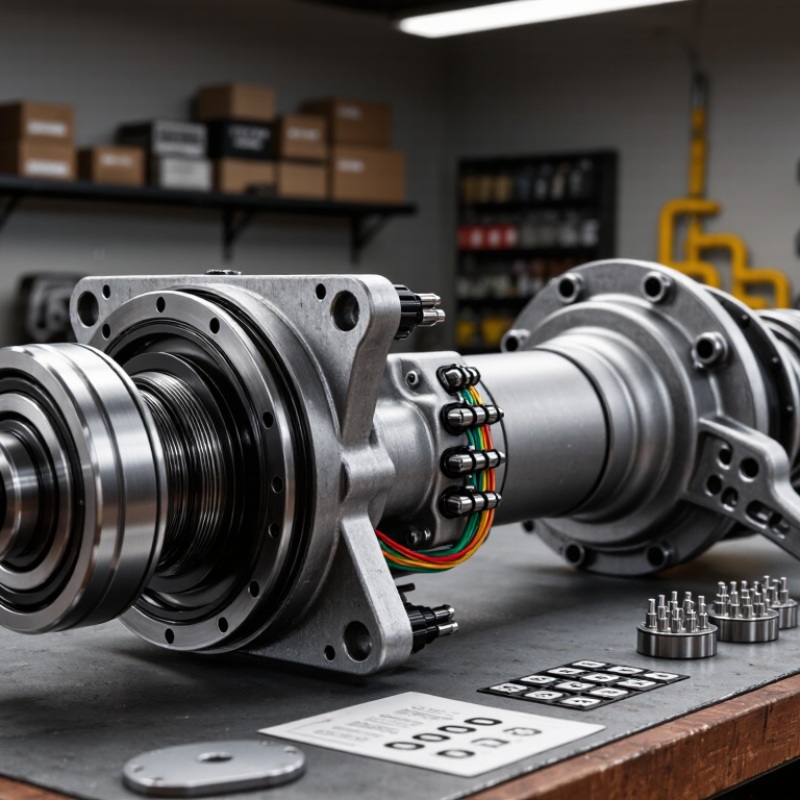
Understanding Ford Steering Column Parts and Compatibility
A steering column is more than a metal shaft. It may include the upper and lower shafts, bearings, ignition components, adjustment levers, wiring, and electrical switches. Before buying a replacement in China, record the vehicle’s model year, engine, trim, and steering features. A column with tilt adjustment may not fit a vehicle with a different telescopic mechanism. Small differences matter.
Compare the original part number with the seller’s listing, then check connector shape, mounting points, shaft splines, and column length. Ask for clear photos of the label and plug ends. A connector that looks similar may use different pins. Check compatibility by VIN when possible, and confirm whether the listing includes the complete assembly or only one component. That distinction can affect installation time and cost.
Inspect the returned part carefully. Look for bent shafts, cracked plastic, worn bearings, or cut wiring near the connectors. I would not rely on year and model alone; catalog data can be incomplete, and older vehicles may have prior repairs. If fitment remains uncertain, ask a qualified technician to compare the removed unit before installation. A near match can still fail.
Finding Ford Parts Suppliers Across China
Finding Ford steering-column parts suppliers across China takes more than browsing a marketplace. Start with manufacturers that provide part numbers, dimensional drawings, material details, and clear application records. Ask whether they produce complete columns, intermediate shafts, switches, or repair components; these categories require different checks. Specifics matter.
The China Association of Automobile Manufacturers reported 31.282 million vehicles produced in China in 2024. This figure shows the scale of the automotive manufacturing base, not the number of qualified steering-part suppliers. A large market does not guarantee a correct fit. Request sample parts and compare spline counts, connector positions, shaft length, and mounting points against the original component. Ask for inspection records and traceability documents, then confirm how the supplier handles design changes and batch variation.
Tips: Send clear photos and measurements, not just a vehicle description. Check whether the quoted part number matches your application, and ask for a written inspection standard. Supplier catalogs can lag behind production changes; verify details directly. If a response is vague, treat that as a reason to investigate further.
Use this regional breakdown to organize your search for Ford steering column parts suppliers across China. The values show province-level divisions—not supplier counts or parts availability. Hong Kong, Macao, and Taiwan are excluded.
Comparing Genuine, OEM, and Aftermarket Options
Where to Buy Ford Steering Column Parts in China?
Comparing Genuine, OEM, and Aftermarket Options
When sourcing steering column parts in China, compare fit, traceability, and support—not price alone. Genuine parts offer vehicle-specific identification and consistent documentation, but can cost more. OEM-grade parts may come from the original equipment supplier or another qualified producer; confirm the maker and specification rather than relying on the label. Aftermarket options range from well-engineered replacements to parts with limited testing records. Fit matters most. Grand View Research estimated the global automotive aftermarket at USD 468.9 billion in 2023, showing the scale of replacement-parts trade, not the quality of any individual steering component.
Tips: Send the supplier the VIN, model year, drive side, and original part number. Ask for connector photos, dimensional drawings, warranty terms, and documented quality checks. Confirm compatibility with steering sensors and column adjustment features before ordering. A sample inspection can reveal rough splines, loose connectors, or inconsistent finish. It takes time, and it may still miss a problem.
For a safety-critical component, request traceable batch details and clear return conditions. Compare quotations only after checking what is included, such as sensors or mounting hardware. I would not assume “OEM” guarantees an exact match; that wording can be used loosely. Test fitment and function through a qualified repair process before installation is considered complete.
Where to Buy Ford Steering Column Parts in China? - Comparing Genuine, OEM, and Aftermarket Options
| Comparison point | Genuine service parts | OEM-sourced parts | Aftermarket parts |
|---|---|---|---|
| Typical place to buy in China | An authorized vehicle dealer or its service-parts department. | A parts distributor or supplier that can document the original-equipment source and part specification. | Automotive parts retailers, specialist repair shops, and online parts marketplaces. |
| What the category means | A service part supplied or authorized for sale through the vehicle maker’s official parts channel. | A part claimed to come from an original-equipment supplier. “OEM” in a listing alone does not verify the source or establish that it is an authorized service part. | A replacement made by a third party; design, materials, coverage, and fitment can vary by manufacturer and product. |
| Relative price | Usually the highest of the three options. | Often below genuine service-part pricing, but varies with documentation, availability, and the exact component. | Ranges widely; some options cost less, but price alone does not indicate quality or compatibility. |
| Fitment verification | Ask the dealer to check the vehicle identification number (VIN), model year, and configuration. | Request the precise part number, application list, and written confirmation against the VIN. | Check the exact part number and vehicle application; confirm left- or right-hand-drive compatibility where relevant. |
| Documentation to request | Itemized invoice, part number, and applicable warranty terms. | Traceable supplier details, part number, product documentation, invoice, and warranty terms. | Manufacturer and part details, invoice, return conditions, and written warranty terms. |
| Main consideration | Typically offers the clearest official-channel provenance, but may cost more or require ordering. | The “OEM” label can be used inconsistently; verify provenance rather than relying on the wording in an advertisement. | Quality and fitment are supplier-specific; review the documentation and return policy before purchase. |
| Best suited to | Buyers prioritizing official-channel sourcing and documented vehicle fitment. | Buyers able to independently verify the supplier, specification, and application. | Buyers comparing alternatives who can confirm compatibility and assess supplier support. |
| Steering-system safety | Steering-column parts can affect steering, restraint, or electrical systems. Confirm the exact component and have installation or repair performed by a qualified technician. | ||
Verifying Quality, Fitment, and Supplier Credentials
When sourcing steering column parts in China, verify fitment before comparing prices. A part can look correct and still fail at installation. Check the vehicle’s model year, trim, steering position, and column configuration. Confirm spline count, shaft diameter, mounting-hole spacing, and connector pin layout against the original part. A clear measurement sheet helps prevent costly assumptions.
Ask the supplier for current product photos, drawings, and a sample when practical. Compare the splines and connector shape in good light. Small details matter. Request traceable batch numbers and inspection records, then check that the documents match the quoted part number. Supplier credentials deserve the same care: confirm the registered business details, factory or trading role, quality procedures, and after-sales contact. A certificate alone does not prove consistent production. Ask how defects are handled and whether replacement terms are written into the order.
For a first purchase, test one unit before placing a larger order. Record fitment results, installation time, and any unusual resistance or play. Some suppliers may answer quickly but provide vague technical details; that is a reason to pause, not necessarily to reject them. I would still want clearer evidence. Keep the original part nearby during inspection, and do not rely on a catalog photo alone.
Planning Orders, Shipping, and After-Sales Support
Before ordering steering column parts from a Chinese supplier, confirm the exact vehicle application and part number. Send clear photos of the existing component, including its connectors, mounting points, and adjustment mechanism. Share the vehicle’s model year and configuration too. Small differences matter. Ask the supplier to confirm compatibility in writing, rather than relying on a similar-looking listing. A measurement can help, but it is not a substitute for a fitment check.
Agree on quantity, unit price, lead time, and packaging before payment. Request photos of the packed order and confirm that metal parts are protected from moisture and impact. For shipping, compare available delivery methods and ask for the estimated transit time, tracking details, and a clear list of shipping documents. Check who handles import charges at your destination. Delays happen. Build some room into your repair schedule; my own planning would allow more time than the optimistic estimate.
After delivery, inspect the package and parts before installation. Keep the invoice, order messages, and photos of any damage. Ask about the written warranty, return window, and process for reporting a mismatch. Good support should explain what evidence is needed and when a response can be expected. One useful reminder: supplier photos may not show every detail. If something remains unclear, pause and request a close-up before fitting the part.
Related Posts
-
7 Tips for Buying Ford Steering Column Parts?
-

Exploring the Essential Functions and Innovations in Ford Steering Column Parts
-

Unlocking Safety: The Essential Guide to Worldwide Door Latch Innovations
-
Top 10 Types of Part of Door That Latches You Should Know?
-
2025 Top Drag Racing Steering Column Upgrades for Ultimate Performance
-
Top Commercial Door Latches for Enhanced Security and Convenience