7 Tips for Buying Ford Steering Column Parts?
Buying Ford steering column parts can seem straightforward until two components look nearly identical but use different connectors or fit different model years. A steering column assembly may include or interact with switches, wiring, adjustment mechanisms, and safety-related equipment. Small details matter. The right choice depends on the vehicle’s year, model, trim, and configuration, not just a product photo.
Before ordering, compare the part number with reliable vehicle information, such as the owner’s manual, a Ford parts catalog, or a trusted parts specialist. Check whether the listing identifies the exact application and clearly describes what is included. A replacement column and a turn-signal switch are not interchangeable purchases. The part that looks right can still be wrong. Confirm return terms before buying, especially when ordering a used or aftermarket component.
These seven tips will help you assess compatibility, condition, seller information, and total cost without treating a low price as proof of value. Look closely at photos for damaged housings, worn adjustment points, or mismatched plugs, and ask for missing details before payment. If the column connects to airbag or other safety systems, use qualified repair guidance rather than guessing from online images. Even careful buyers can miss something; vehicle records may be incomplete, and listings can be vague. That uncertainty is worth acknowledging. A little verification can prevent a frustrating return and support a safer, better-informed repair.
Identify Your Ford’s Year, Model, and Steering Column
Before buying a steering column part, confirm your vehicle’s exact year, model, and trim. Check the registration or the identification label on the driver’s door frame. A model name alone may not be enough; equipment can vary within the same year.
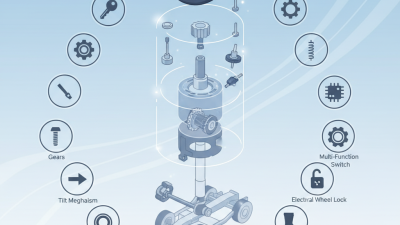
Then identify the column itself. Does it tilt? Is the gear selector mounted on the column or the floor? Note the ignition-lock position, wiring connectors, and steering-wheel attachment. Take clear photos from several angles, including the connector shapes and any stamped numbers. Small details matter. A hurried visual match can still be wrong.
Compare those details with a parts catalog or a qualified parts specialist before ordering. If possible, record the original part number and verify it against the replacement listing. Production changes can occur during one model year, so year and model are only a starting point. It is easy to overlook a connector or shift arrangement when a part looks nearly identical. Measure and double-check instead of guessing; even careful buyers sometimes miss one detail.
Verify Part Numbers and Vehicle Compatibility
A steering-column part can look correct and still be incompatible. Match the full part number, including suffixes, against a catalog using the vehicle identification number. Then confirm model year, build date, trim, and steering-column options. A few digits matter. Similar-looking connectors may differ in pin layout, and a column with tilt adjustment may not fit a fixed-column configuration.
S&P Global Mobility reported that the average age of U.S. light vehicles reached 12.6 years in 2024. That long service life means production changes can occur within the same model generation. Check the vehicle’s build label and compare connector shape, mounting points, and shaft dimensions with the replacement part. Also verify whether the listing includes the clock spring, ignition components, or steering-angle sensor; these may be separate items. A common workshop lesson: visual similarity is not proof of fit.
Before ordering, ask the seller to confirm compatibility in writing and provide the catalog source. Compare the number on the removed part, but do not rely on it alone; an earlier repair may have installed the wrong component. Use the vehicle’s service information for removal and any required calibration. I would double-check even when the listing seems clear. It takes a little longer, but avoids a costly mismatch.
Compare OEM, Aftermarket, and Used Parts
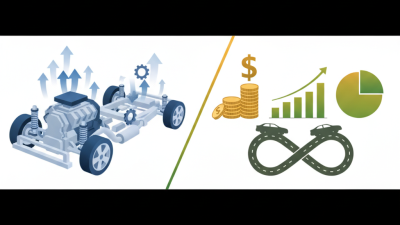
Choosing a steering column part means balancing fit, condition, and cost. An original-equipment part is built to the vehicle’s specified design. It may offer the closest match for mounting points, adjustment features, and electrical connections. Expect a higher price, though, and confirm the exact year, model, and trim before ordering. Small differences matter.
Aftermarket parts can cost less and may be readily available. Check the listed specifications carefully: tilt or telescoping functions, connector layout, and compatibility with steering and safety systems should match. A clear warranty and traceable product details are useful signs of a more dependable purchase. Don’t rely on a photo alone.
Used parts may save money, but their history is often uncertain. Look for bent shafts, corrosion, damaged wiring, and excessive play; ask how the part was inspected and whether returns are allowed. A bargain can become an expensive mistake. I’d compare the total cost, including inspection and installation, rather than the shelf price alone. Because steering components are safety-critical, have a qualified technician verify fit and operation before the vehicle returns to the road.
Inspect Part Condition and Included Components
Before buying a steering column part, confirm exactly what the listing includes. A bare shaft is not the same as a complete assembly. Check whether bearings, tilt hardware, switches, wiring connectors, and mounting brackets are supplied. The Auto Care Association’s 2024 Factbook places the U.S. light-duty automotive aftermarket at roughly $400 billion annually, reflecting a crowded parts market. More choice does not guarantee a correct match. Compare the part number, vehicle year, trim, and steering options with your vehicle records.
Inspect clear photos of the actual part, not just a catalog image. Look for a bent shaft, cracked housing, corrosion around splines, damaged connector tabs, or loose tilt joints. Ask the seller to identify missing pieces and disclose whether the part was tested. A clean photo isn’t proof. I still find connector shapes easy to overlook; they can differ even when housings look alike. Request close-ups of the labels and connection points, and confirm the return terms before ordering. Keep those details in writing.
Inspect Part Condition and Included Components
Use this practical 1–5 checklist rating to prioritize inspection before buying. Ratings reflect general safety and fitment considerations, not measured failure rates.
Check for damage, excessive play, wear, or corrosion, and confirm that the listing includes the components required for your specific vehicle.
Check Seller Credentials, Warranty, and Return Policy
Before ordering a steering column part, ask the seller how they confirm fitment. Share the vehicle’s year, model, trim, and any part number you have. A careful seller may ask follow-up questions. That is a good sign. Request clear photos of the actual part, including connectors, labels, and worn areas. Stock images alone are not enough.
Check the seller’s business details, contact options, and recent independent reviews. Look for consistent feedback about accurate listings and prompt replies, not just high ratings. Ask for a written invoice showing the part description and condition. If answers are vague or the seller cannot explain where the part came from, pause before paying. I can see how a low price might distract from these checks.
Read the warranty and return policy before checkout. Confirm how long coverage lasts, what defects are included, and whether installation affects eligibility. Ask who pays return shipping and whether a restocking fee applies. Note the return deadline; some policies start it on delivery, not installation. Keep the box, labels, and messages until the part works properly. Take photos when it arrives, especially if the housing or wiring looks damaged. A polished website can still leave gaps, so get unclear terms in writing.