Why Choose a Volumetric Concrete Mixer for Your Project?
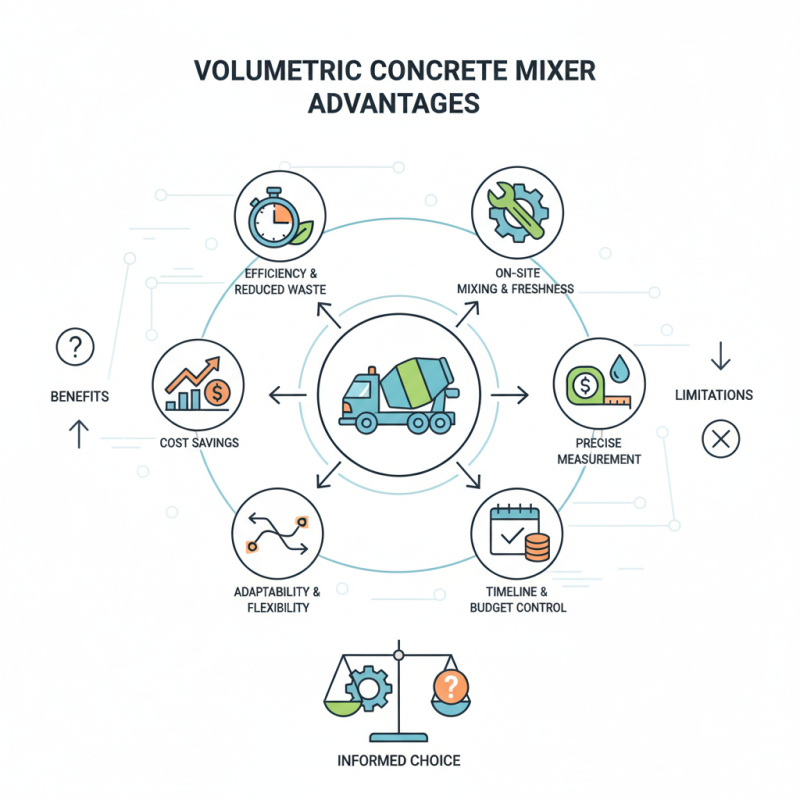
Choosing the right equipment for your concrete project is crucial. A Volumetric Concrete Mixer offers unique advantages that enhance efficiency. This innovative solution allows for mixing concrete on-site, ensuring freshness and reducing waste. With precise measurements, it provides the right amounts needed, minimizing excess.
Unlike traditional mixing methods, the Volumetric Concrete Mixer delivers flexibility tailored to varying project demands. You can adjust the mix design instantly, catering to specific requirements. This adaptability can significantly impact project timelines and budgets. However, it’s important to acknowledge that not every project may benefit equally. Sometimes, conventional methods might be more appropriate for smaller tasks.
Understanding the strengths and limitations of a Volumetric Concrete Mixer is key. Experienced users appreciate its capabilities but also recognize challenges such as training needs. In the end, making an informed choice requires reflection on both benefits and potential drawbacks.
Benefits of Using a Volumetric Concrete Mixer in Construction Projects
Choosing a volumetric concrete mixer can significantly impact construction projects. These mixers allow for on-site production of concrete, offering precise control over the mix. This benefits both time management and cost efficiency. According to the National Ready Mixed Concrete Association, using volumetric mixers can reduce waste by up to 20%. This is crucial for projects aiming for sustainability while maintaining quality.
One major advantage of volumetric mixers is fresh concrete production. Unlike traditional methods, which often result in surplus concrete, volumetric mixers provide exactly what’s needed. This capability ensures that the material will meet project specifications, enhancing structural integrity. Research indicates that fresh concrete can improve overall project timelines by 30%. However, it’s essential to ensure operators are adequately trained to maximize this benefit.
Tip: Regular maintenance of your mixer ensures optimal performance. Check the calibration frequently to avoid production errors.
Flexibility is another key benefit. Volumetric mixers allow for adjustment of concrete mixtures based on real-time project needs. This adaptability can handle diverse project demands without delays. Some contractors note that unforeseen weather changes can significantly alter material requirements, making this flexibility vital.
Tip: Always anticipate fluctuations in demand during project planning. It’s better to evaluate needs regularly rather than relying solely on initial estimates.
How Volumetric Concrete Mixers Improve Efficiency and Cost-Effectiveness
Volumetric concrete mixers are revolutionizing the construction industry by enhancing efficiency and cost-effectiveness. According to a report by the National Ready Mixed Concrete Association, on-site mixing can reduce waste by up to 30%. This not only conserves materials but dramatically cuts down on transportation costs. When a project requires small batches, volumetric mixers allow for precise adjustments to the mix design, ensuring the right amount is produced at the right time.
Another significant benefit is labor efficiency. In traditional methods, workers often face delays waiting for concrete deliveries. Volumetric mixers can produce fresh concrete on-site, minimizing downtime. A study indicated that projects using volumetric mixers experienced a 25% reduction in labor costs compared to conventional methods. This adaptability is vital for busy job sites, where time is money.
However, it's crucial to note that not all projects may benefit equally from this technology. Some might require specific concrete formulations not easily achieved on-site. Furthermore, proper maintenance and operator training of these mixers can pose challenges. Investing in this equipment without thorough planning could lead to inefficiencies, emphasizing the need for a strategic approach in implementation.
Key Features to Look for in a Volumetric Concrete Mixer
When considering a volumetric concrete mixer for your project, it’s essential to identify key features that can enhance efficiency and quality. One important aspect is the mixer’s calibration system. A precise calibration ensures that the concrete mix adheres to specified ratios. This reduces waste and optimizes material usage. Look for models that allow easy recalibration to maintain accuracy over time.
Another critical feature is the mixer’s versatility. Different projects may require varying concrete types. A good volumetric mixer should accommodate diverse materials like additives and aggregates. This flexibility can save time and labor costs. Keeping a close eye on the total volume of materials mixed can also help avoid any discrepancies.
Tip: Always choose a mixer with a user-friendly interface. Operators should be able to adjust settings and monitor the mixing process effortlessly. Consider practical aspects like maintenance access. A simple design can make routine checks less daunting.
By focusing on these key features, you can select a volumetric concrete mixer that not only meets your current project needs but also adapts to future requirements.
Key Features Comparison of Volumetric Concrete Mixers
Applications and Scenarios Ideal for Volumetric Concrete Mixers
Volumetric concrete mixers are versatile machines perfect for various construction scenarios. They allow for on-site mixing of concrete, which streamlines operations. This feature is particularly beneficial for small to medium-sized projects, like residential builds and renovations. The ability to mix precise amounts reduces waste, making it environmentally friendly.
For large projects, volumetric mixers adapt well. When unexpected needs arise, they can quickly adjust ratios. If an unexpected pour volume occurs, you won’t lose time calling for additional concrete. Each time you mix, you ensure the concrete meets the exact requirements.
Tips for using volumetric mixers include keeping the machine calibrated. Regular checks on the equipment increase reliability. Another consideration is local regulations on concrete quality. Always verify and adjust mixes as per standards. It’s a crucial step, as overlooking this may lead to issues later in the project.
Comparing Volumetric Concrete Mixers with Traditional Concrete Mixing Methods
When considering concrete mixing methods, volumetric concrete mixers stand out. They offer flexibility that traditional mixing methods cannot match. A volumetric mixer combines the raw materials on-site. This means you can adjust the mix as needed, which is crucial for specific project requirements.
Traditional methods often rely on pre-mixed concrete. This can lead to waste if you order too much. Additionally, you may not always get the precise mix you need for your project. On-site mixing ensures you only use what you require. Moreover, it allows for real-time adjustments, which can enhance efficiency.
However, there are challenges to consider. Operating a volumetric mixer requires skilled personnel. It’s essential to train your team to use this technology properly. Without proper knowledge, mistakes can happen, leading to inconsistent mixtures. This highlights the need for experience in managing these advanced mixers.
Why Choose a Volumetric Concrete Mixer for Your Project? - Comparing Volumetric Concrete Mixers with Traditional Concrete Mixing Methods
| Feature | Volumetric Concrete Mixer | Traditional Concrete Mixing |
| Mixing Method | On-site mixing | Batch mixing |
| Material Freshness | High freshness | Potential for loss of quality |
| Waste Control | Minimal waste | Potential for excess waste |
| Flexibility | High flexibility in mix designs | Limited flexibility |
| Setup Time | Quick setup | Longer setup time |
| Cost Efficiency | Higher initial investment, lower operational costs | Lower initial investment, higher operational costs |
| Labor Requirements | Reduced labor needed | More labor-intensive |
| Environmental Impact | Lower carbon footprint | Higher carbon footprint |