Best China PSC Steering Column Suppliers for Global Buyers
China has become a major sourcing base for automotive steering components, supported by a deep supplier network, advanced machining capacity, and strong electric-vehicle production. According to OICA, global motor-vehicle production exceeded 93.5 million units in 2023. China contributed more than 30 million vehicles, creating substantial demand for precise and scalable steering systems. For global buyers, identifying dependable psc steering column suppliers requires more than comparing unit prices.
The term “PSC” can describe different steering-column configurations across markets. Clarify the specification early. A strong supplier should provide dimensional drawings, material certificates, torque data, fatigue-test results, and traceable inspection records. Practical checks matter: observe shaft runout testing, weld inspection, surface treatment, and final assembly controls. Small gaps can become expensive failures.
The International Energy Agency reported that global electric-car sales exceeded 14 million units in 2023, with nearly one in five new cars sold being electric. This transition is increasing demand for lightweight, electronically integrated, and noise-controlled steering columns. Chinese manufacturers with experience in EV platforms may therefore offer useful engineering flexibility, but capability must be verified project by project.
Look beyond factory photographs. Review ISO 9001 and IATF 16949 certification, process-control plans, sample approval procedures, warranty policies, and export experience. CAAM reported that China exported more than five million vehicles in 2023, reflecting wider automotive supply-chain maturity. Still, market reputation is not proof of consistent quality. A supplier can look impressive and disappoint during validation. Independent audits, pilot orders, and third-party testing remain sensible safeguards for global procurement teams.
Understanding PSC Steering Columns and Their Role in Vehicle Systems
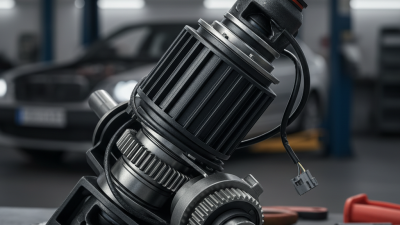
A PSC steering column, commonly understood as a power-assisted steering column, connects the driver’s input with the steering gear and vehicle control system. It may contain a collapsible shaft, torque sensor, electric motor, control unit, and reduction mechanism. When the driver turns the wheel, the sensor measures effort and direction. The controller then adjusts assistance within milliseconds. Small errors matter. Excessive play can create a loose, unsettling steering feel.
Vehicle production creates a demanding supply environment. OICA reported 93.5 million motor vehicles were produced worldwide in 2023. The International Energy Agency reported nearly 14 million electric car sales that year. These figures show why PSC suppliers must support different platforms, voltage levels, and software requirements. For global buyers, a capable Chinese supplier should provide shaft fatigue data, torque accuracy records, environmental testing, and clear traceability for critical parts. ISO 26262 processes are also important when electronic steering functions influence functional safety.
Physical inspection remains useful. Check weld consistency, connector locking, bearing noise, and return-to-center behavior. Test the column after heat, vibration, moisture, and repeated impact cycles. UNECE Regulation No. 12 addresses steering protection during collisions, while FMVSS 204 controls steering-column intrusion in frontal impacts. A smooth bench test can still hide poor vehicle integration. That is easy to overlook. Supplier claims should match independent test evidence, production samples, and change-control records. I would also question unusually low prices; savings may come from weaker validation, not better engineering.
Key Criteria for Evaluating China-Based PSC Steering Column Suppliers
Best China PSC Steering Column Suppliers for Global Buyers
Key Criteria for Evaluating China-Based PSC Steering Column Suppliers
Global buyers need more than a low quotation when selecting PSC steering column suppliers. Grand View Research estimates the global automotive steering system market will grow at about 5.9% annually through 2030. That growth increases pressure on quality, capacity, and traceability.
Supplier evaluation should begin with engineering evidence. Request torque curves, spline measurements, shaft runout data, and fatigue-test results. Ask whether testing covers temperature cycling, vibration, corrosion, and abnormal-load conditions. Ask for evidence. A supplier should also provide APQP, PPAP, process-flow charts, and controlled engineering-change records. ISO Survey 2023 reported more than 1.2 million ISO 9001 certificates worldwide, but certification alone does not prove stable production. Review actual batch records and audit corrective actions.
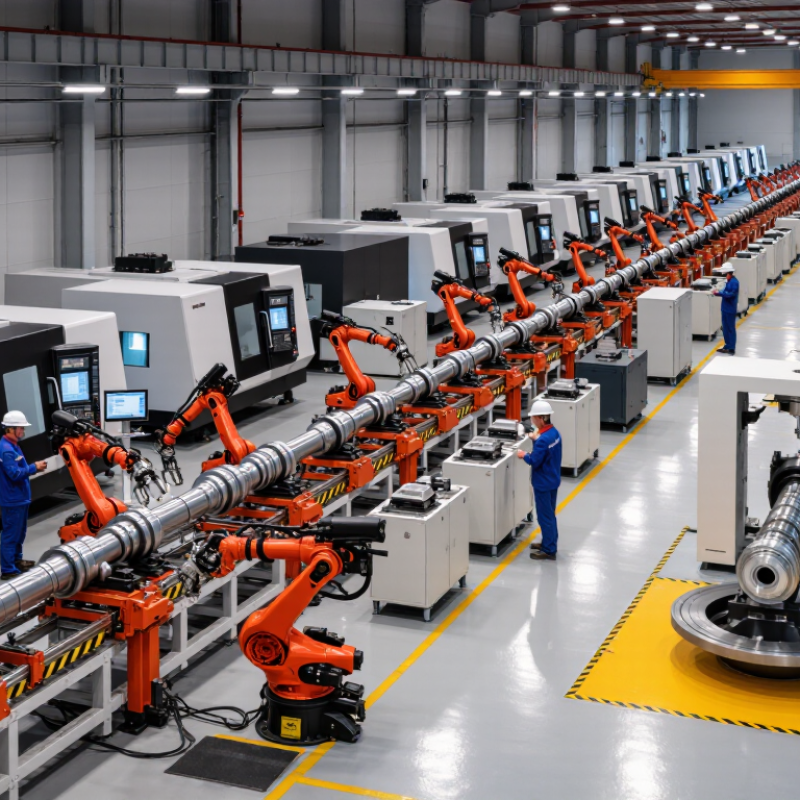
Production capability deserves close inspection. Check automated pressing, welding controls, torque monitoring, and end-of-line inspection. Confirm lot-level traceability from steel input to final packing. The supplier should explain capacity during peak demand, not only normal weeks. IATF-based controls are valuable, yet document quality can sometimes hide weak shop-floor discipline. An on-site audit may reveal it. ACEA’s Vehicles on European Roads 2024 report places the average European passenger car age at 12.3 years, making long-term durability a practical purchasing concern. Require retained samples, warranty feedback, and a clear response process for field failures.
Leading Chinese PSC Steering Column Suppliers for International Buyers
Chinese PSC steering column suppliers are attracting international buyers with flexible production, competitive engineering support, and export experience. A capable supplier should explain shaft materials, column geometry, torque requirements, tilt functions, and collapse performance in clear technical language. Factory experience matters here. Engineers who understand steering feel, vibration, and assembly tolerances can prevent expensive redesigns.
During supplier evaluations, buyers should request process flow charts, inspection plans, sample records, and traceability information. Useful checks include shaft runout measurement, torque testing, fatigue testing, corrosion protection, and noise evaluation. A well-organized supplier can provide dimensional reports from calibrated equipment and explain how rejected parts are controlled. Ask for production samples, not only polished catalog images.
Communication needs equal attention. Leading Chinese suppliers for international buyers often support English documentation, remote audits, prototype changes, and structured corrective actions. However, response speed can hide technical weaknesses. No supplier is flawless. Some factories may offer strong machining but weaker documentation, while others need improvement in validation planning. Buyers should compare engineering depth, quality consistency, packaging methods, and delivery records before signing a long-term agreement. Clear drawings and written acceptance criteria reduce confusion across time zones. A small tolerance mistake can affect installation, steering feel, and customer confidence.
Quality, Certification, and Customization Standards to Compare
Best China PSC Steering Column Suppliers for Global Buyers
Quality begins with how a supplier controls small details. A reliable PSC steering column should show stable shaft movement, clean welds, and accurate mounting holes. Ask for material certificates, dimensional reports, and end-of-line inspection records. Fit comes first.
Certification should match the destination market and vehicle application. Request a valid quality management certificate, such as ISO 9001 or IATF 16949, when relevant. Check its scope, expiry date, and issuing body. Do not accept a certificate image alone. Proof matters. Suppliers should also explain torque, fatigue, corrosion, and noise testing methods. Independent laboratory reports can strengthen confidence, especially for first-time cooperation.
Customization requires more than changing a drawing. Confirm spline dimensions, column length, bracket geometry, collapse features, connectors, and surface treatment. A capable engineering team should review tolerance stacks before sampling. Production samples need functional testing, not only visual approval. In supplier audits, one recurring lesson is clear: polished documents cannot replace traceable process records. Some suppliers respond quickly but document poorly. That weakness deserves attention. Ask for batch numbers, inspection frequency, corrective-action records, and packaging photos. A trial order may reveal more than a long presentation. Small gaps matter.
Best China PSC Steering Column Suppliers for Global Buyers
Quality, Certification, and Customization Standards to Compare
The chart compares the publication or edition years of widely used management, automotive quality, environmental, occupational safety, and functional safety standards. Buyers should separately verify supplier certificates, product validation records, traceability, PPAP capability, and compliance with applicable steering-column regulations such as UNECE Regulation No. 12 and U.S. FMVSS 204.
Sourcing, Inspection, and Export Considerations for Global Purchasers
Selecting a reliable China PSC steering column supplier requires more than comparing unit prices. Experienced buyers review manufacturing capability, engineering support, and production consistency. Ask for drawings, material grades, tolerance data, and previous export experience. A serious supplier should explain shaft hardness, welding controls, corrosion protection, and assembly testing clearly. Vague answers are a warning.
Inspection should begin before mass production. Confirm the approved sample against dimensions, spline fit, locking performance, and electrical functions where applicable. During production, check incoming materials, welding appearance, torque values, and final packaging. Use calibrated gauges and keep dated inspection records. I have found that photographs alone can miss small alignment problems. An independent inspector adds useful distance, although no inspection method catches everything.
Tips:
Request a pre-production sample and a written control plan. Verify carton strength with a drop test. Check labels, packing lists, certificates, and country-specific import requirements before shipment.
Confirm the correct HS classification with a qualified customs adviser. Review Incoterms, insurance, lead times, and spare-part support in writing.
Leave room for reinspection; schedules often look cleaner than reality. For export handling, protect machined surfaces with suitable covers and moisture control.
Traceable batch numbers make later investigations faster. A supplier may pass an audit yet struggle during peak production, so monitor the first shipments closely.