What is a Single Stage Compressor and How Does It Work?
A Single-Stage Compressor is a vital component in various industrial applications. According to industry reports, the global market for compressors is expected to reach $38 billion by 2028, with significant demand for efficient designs like single-stage models. These compressors offer simplicity and reliability, making them popular in manufacturing and refrigeration sectors.
Employing a single-stage compression process allows for quicker gas delivery and reduced energy consumption. The efficiency of these compressors can lead to operational cost savings upwards of 20%, a compelling factor for many businesses. Yet, it is important to note that the choice of compressor must align with specific requirements. Oversizing or undersizing can lead to performance issues, resulting in inefficiencies and unexpected expenses.
The mechanics of a Single-Stage Compressor involve compressing gas in one stroke, which simplifies the design but also limits pressure capabilities. Operators must understand these limitations to optimize usage. While they can be cost-effective, technical missteps can impact overall performance and lifespan. Thus, insights into their operation are essential for maximizing benefits and mitigating risks.
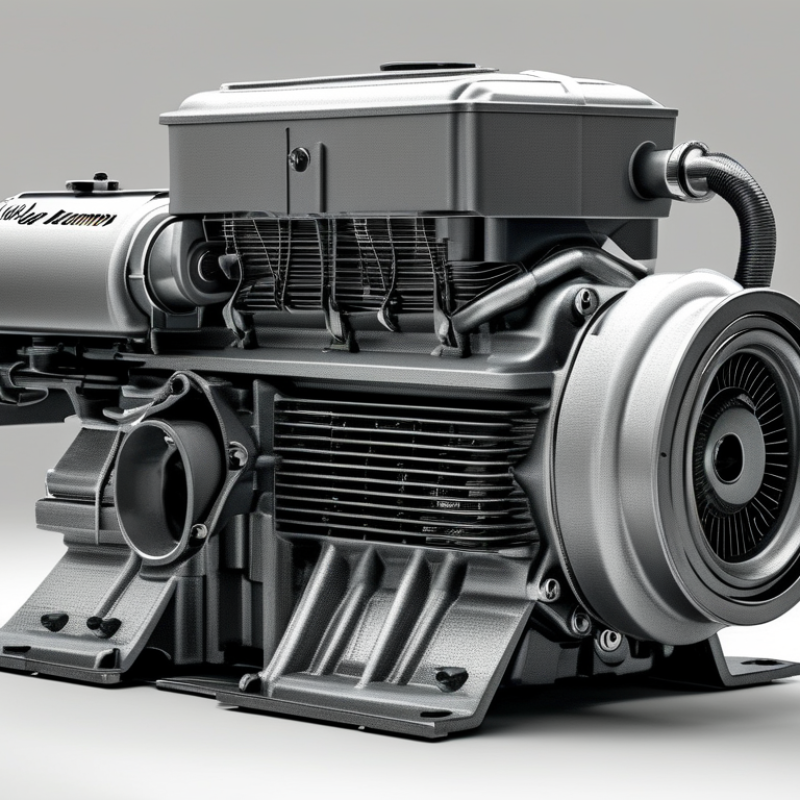
What is a Single Stage Compressor?
A single stage compressor is a type of mechanical device that increases the pressure of gases. These compressors work on the principle of drawing in air or gas, compressing it in a single stage, and then releasing it at a higher pressure. This process typically occurs within a cylinder, where the gas is compressed by a piston or rotor.
In various industrial applications, single stage compressors are favored for their simplicity and efficiency. According to industry reports, these compressors can achieve pressure ratios between 2:1 and 4:1. They are often employed in small-scale operations, such as powering pneumatic tools or providing compressed air for low-pressure applications. The design allows for a compact nature, making them suitable for constrained environments.
Tips: Ensure regular maintenance of your compressor. Clean the air filter periodically to prevent efficiency loss. Monitor the operating temperature closely. Overheating can lead to premature failure.
Despite their advantages, single stage compressors may not be suitable for all applications. For high-pressure requirements, multi-stage compressors could be a better option. This reflection on application suitability is vital for optimizing efficiency and performance.
Key Components of a Single Stage Compressor
A single stage compressor is a type of mechanical device used to compress gases. Understanding its components helps in grasping its functionality. The main parts include the intake valve, compression chamber, and discharge valve. The intake valve allows gas to enter. Once inside, the gas is compressed by the movement of a piston within the compression chamber. Finally, the discharge valve releases the compressed gas.
One key component is the piston. It often features a simple yet effective design. Its movement determines the compressor's efficiency. Reports suggest that properly maintained single stage compressors can achieve efficiency ratings of 75% or higher. This efficiency is crucial for reducing operational costs in many industries.
Tip: Regular maintenance can enhance the lifespan of your compressor. Inspect the intake valve for blockages. A clean valve promotes better airflow.
Another important element is the crankshaft. It converts rotary motion into linear motion for the piston. If the crankshaft is misaligned, it can cause vibrations and reduce performance. Many professionals recommend checking alignment during routine inspections.
Tip: Use vibration analysis tools to monitor crankshaft performance. This simple check can prevent future mechanical failures.
How Single Stage Compressors Operate
A single stage compressor is a widely used mechanical device in various industries. It compresses air or gas by drawing it into a cylinder. The piston moves downward, creating a vacuum that draws in the air. Once the cylinder fills, the piston moves upward, decreasing the volume and increasing the pressure.
The operation of a single stage compressor is relatively straightforward but efficient. The design typically includes a piston, crankshaft, and cylinder. As the crankshaft rotates, it converts rotary motion into linear motion for the piston. This action compresses the air in a single stroke, making it ideal for applications that require moderate pressure. It can reach pressures of around 125 to 175 psi effectively.
However, users should note that single stage compressors have limitations. They may not provide the high pressures needed for certain industrial applications. Maintenance is crucial. Regularly checking for leaks or wear can enhance performance. Many experience challenges when compressing larger volumes. Reflecting on these factors can lead to better operational choices.
Single Stage Compressor Performance Comparison
This chart illustrates the performance metrics of a single stage compressor, highlighting efficiency, pressure ratio, and power consumption. Single stage compressors are designed to compress gas in a single step, making them suitable for various applications due to their simplicity and effectiveness.
Applications of Single Stage Compressors
Single stage compressors are widely used across various industries for their efficiency and reliability. These compressors are particularly effective in applications that require moderate pressure and a steady airflow. Industries such as HVAC, refrigeration, and automotive often rely on single stage compressors to ensure optimal performance. According to a recent market report by Global Industry Analysts, the demand for these compressors is projected to grow significantly, driven by advancements in technology and increasing energy efficiency requirements.
In HVAC systems, single stage compressors provide a cost-effective solution for cooling and heating needs. They compress refrigerant gases in one compression cycle, facilitating effective temperature control. Similarly, in the automotive sector, these compressors are essential for air conditioning systems, contributing to passenger comfort. A study from the American Society of Mechanical Engineers shows that using single stage compressors can reduce energy consumption by up to 15%, making them an attractive choice for many applications.
Tips: When selecting a single stage compressor, consider the specific requirements of your application. Ensure that the compressor's capacity aligns with your needs to avoid inefficiencies. It's also worth noting that regular maintenance can enhance the lifespan and performance of these compressors, allowing for optimal operation over time. Regular checks can reduce energy costs and prevent unexpected failures.
Advantages and Disadvantages of Single Stage Compressors
Single stage compressors play a crucial role in various industries. They work by compressing air in a single stroke, making them efficient for specific applications. However, they come with both advantages and disadvantages that need to be carefully considered.
One significant advantage is their simplicity in design. Fewer components mean lower initial costs and easier maintenance. They are compact and ideal for lighter applications, such as powering small tools or inflating tires. Yet, this simplicity can also be a drawback. Single stage compressors may not provide the pressure needed for demanding tasks, limiting their versatility.
On the downside, they often run hot due to continuous operation. This heat can lead to wear and tear. Additionally, they produce a higher noise level compared to multi-stage compressors. Users may find the noise disruptive in quieter environments. It’s essential to weigh these pros and cons based on your specific needs and application to make an informed decision.