Aller au contenu principal

How to Source Snapback Trucker Hats in 2026?

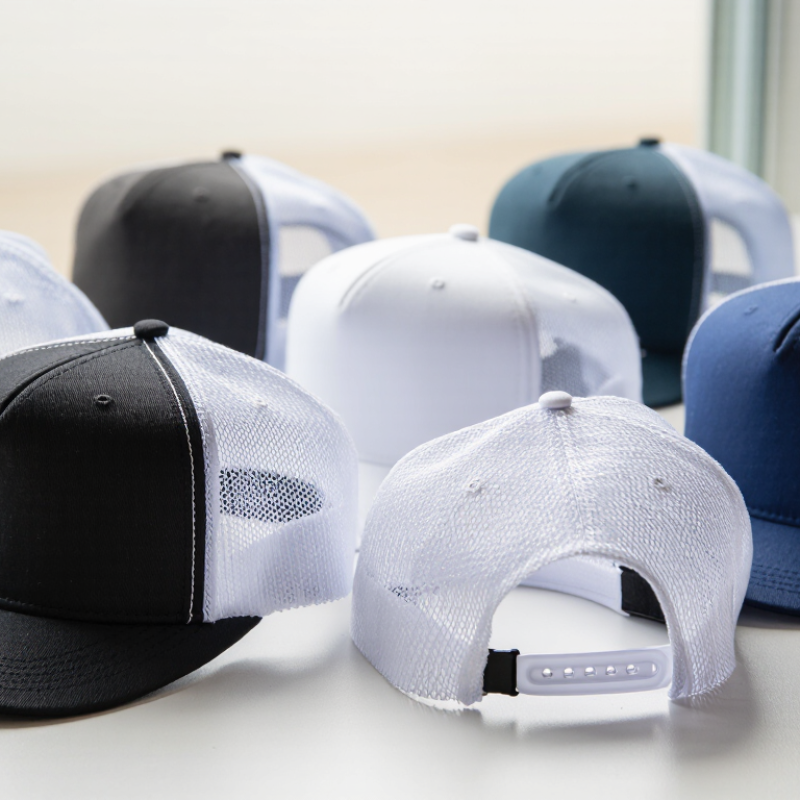
Sourcing Snapback Trucker Hats in 2026 requires more than comparing factory prices. Buyers must examine materials, construction, supplier experience, customization limits, and delivery reliability. A low quotation can hide weak mesh, uneven stitching, or unreliable color matching. Small details matter.

According to Matt Pruitt, a veteran headwear product developer, “A cap succeeds when comfort, fit, and consistency survive repeated wear.” That principle remains useful for modern sourcing teams. Snapback Trucker Hats should feel balanced in the hand, not overly stiff or strangely light. The front panel needs enough structure for clean embroidery. The brim should return to shape after bending. The adjustable closure must fasten smoothly without sharp edges.

A practical sourcing process begins with a clear product brief. Define the crown height, mesh type, fabric weight, closure material, logo method, and target retail position. Request physical samples. Inspect them under natural light. Test the snapback repeatedly. Rub printed areas gently. Record every defect.

Factory audits, material certifications, and production photographs can strengthen supplier evaluation. Yet paperwork is not proof of perfect execution. Samples may look better than bulk production. That risk deserves attention.

This guide explores supplier discovery, sample testing, pricing, minimum order quantities, quality control, and shipping planning for 2026. It also considers sustainability claims carefully. Recycled polyester sounds promising, but the evidence may be incomplete. A reliable buyer asks harder questions, checks assumptions, and leaves room for correction. There is no perfect sourcing formula. There is only a more disciplined one.
How to Source Snapback Trucker Hats in 2026?

Defining Your Snapback Trucker Hat Sourcing Requirements

Defining Your Snapback Trucker Hat Sourcing Requirements

A reliable sourcing brief starts with the wearer, not the factory. Define whether the hat serves outdoor workers, event visitors, sports audiences, or daily streetwear users. Each group needs different ventilation, sweat control, brim strength, and adjustment comfort. A first specification is rarely right.

Grand View Research valued the global headwear market at approximately USD 26.5 billion in 2023. Its report also forecasts strong growth through 2030. Mordor Intelligence similarly identifies online retail as a major headwear distribution channel. These figures suggest clear demand, but they do not replace product testing. Describe the crown height, front-panel structure, mesh percentage, brim curve, closure type, and decoration method. State measurable tolerances, too. For example, require a 2–3 millimeter brim allowance and consistent snap alignment.

Cost targets need more detail than a unit price. Record the target quantity, sample budget, packaging format, delivery window, and destination. Request fabric composition, colorfastness results, needle detection procedures, and inspection records. Ask how suppliers control loose threads and uneven embroidery. Small defects become obvious under bright retail lighting. They also create returns.

Do not over-specify before testing. Heavy mesh may improve airflow but feel rough against skin. A rigid brim may photograph well but reduce comfort. Approve a physical sample after wear trials, washing checks, and carton-drop testing. I would also review the brief after sampling. The first version may reflect assumptions rather than real user needs.

How to Source Snapback Trucker Hats in 2026?

Defining Your Snapback Trucker Hat Sourcing Requirements

Before requesting samples, define the chemical-compliance requirements for the fabric, mesh, printing, trims, and snapback closure. The chart compares selected limits that may apply to apparel and accessories sold in the United States or European Union. Requirements can vary according to the product’s intended age group, materials, and destination market, so suppliers should provide current laboratory test reports for the finished hat.

Values are shown in parts per million (ppm). The 0.1% limits equal 1,000 ppm. Lead and phthalate requirements apply under specific product conditions, while the EU azo-dye restriction applies to certain articles that may come into direct and prolonged skin contact.

Finding and Comparing Reliable Hat Suppliers

How to Source Snapback Trucker Hats in 2026?

Reliable supplier comparison starts with evidence, not attractive product photos. Grand View Research valued the global headwear market at approximately USD 26.1 billion in 2023, with continued growth expected through 2030. This suggests strong demand, but it does not guarantee stable quality or profitable sourcing. Request material specifications, size charts, closure samples, stitching photos, and recent test records before discussing large quantities.

Build a simple supplier scorecard. Compare fabric weight, mesh ventilation, crown structure, visor shape, color consistency, packaging, minimum order quantity, and production timing. The International Trade Centre recommends using trade data to assess supplier countries and product flows, rather than relying only on online claims. Ask for a commercial invoice, factory address, quality-control process, and sample approval record. Keep everything in writing.

Price needs context. A cheaper cap may use thinner mesh, weaker snaps, or inconsistent embroidery. That becomes expensive after returns. Very expensive, sometimes. KPMG’s 2024 Global Manufacturing Prospects report highlights ongoing supply-chain pressure and the need for stronger supplier visibility. I would request two or three physical samples, wash-test adjustable closures, and inspect five random units from any pilot order. Forecasts can mislead. Supplier performance is more useful. Share clear tolerances, allow realistic lead times, and review defects before scaling. Even experienced buyers miss small inconsistencies.

Evaluating Materials, Customization, and Manufacturing Quality

Sourcing snapback trucker hats in 2026 requires more than comparing catalog photos. Material selection affects comfort, durability, and perceived value. Choose breathable mesh for warm markets, but inspect its tension and recovery after stretching. The front panel should hold its shape without feeling stiff. Cotton blends offer softness, while recycled polyester can improve consistency and moisture resistance. Ask for fabric weight, colorfastness results, and physical samples before approving production.

Customization should match the hat’s construction. Embroidery needs stable front panels and clean thread density. Heat transfers may suit detailed artwork, but they can crack after repeated washing. Check the snap closure for smooth adjustment and run repeated opening tests. Manufacturing quality appears in small details: even stitching, centered labels, aligned brims, and secure sweatband seams. A hat can pass inspection yet still feel uncomfortable. That mistake is easy to make when teams focus only on appearance.

Tips: Request a pre-production sample, not just a digital rendering. Measure crown height, brim angle, and snap spacing with a ruler. Test samples under sunlight, light rain, and a full day of wear. Record defects with photographs and clear tolerances. Keep some flexibility, because minor shade differences can occur between production batches. However, accepting too many inconsistencies weakens quality control. Ask the manufacturer how rejected units are separated, documented, and handled.

Reviewing Samples, Pricing, Minimum Orders, and Production Terms

Sourcing snapback trucker hats in 2026 requires more than comparing catalog photos. Request physical samples before approving any production order. I check crown shape, mesh tension, visor alignment, and snap closure strength by hand. A reliable sample should match the agreed fabric, color, stitching, and logo placement. I also measure the hat after adjustment because an attractive sample can still fit poorly. Small details matter. Ask for the sample date and production reference.

Pricing should show every major cost separately, including sampling, setup, packaging, freight, and custom labeling. Minimum orders often change the unit price significantly. A supplier may offer a lower price at 500 pieces than at 100, but unsold inventory creates another expense. Request a tiered quotation with clear currency and payment stages. Confirm whether revisions are included. Production terms should state lead time, inspection points, acceptable defect limits, and replacement procedures. My first sourcing estimate once missed packaging fees. That mistake was avoidable, but it showed why written terms matter.

Tips: Keep one approved sample as the control piece. Photograph measurements and materials. Ask for a pre-production sample when colors are important. Allow extra time for corrections; factories rarely perform perfectly on the first attempt. A simple checklist can prevent expensive misunderstandings.

Managing Orders, Quality Control, Shipping, and Supplier Relationships

How to Source Snapback Trucker Hats in 2026?

Managing snapback trucker hat orders requires more than comparing unit prices. I ask suppliers for a written specification covering crown fabric, mesh weight, visor curve, closure strength, embroidery placement, and carton packing. A pre-production sample should match the approved measurement sheet. It sounds basic. It prevents expensive surprises.

Quality control should happen at three points: material inspection, mid-production checks, and final random inspection. I usually test snap closures repeatedly and inspect sweatbands for loose stitching. The AQL sampling approach, widely used in apparel production, creates a clearer pass-or-fail process. Still, sampling is imperfect. One defective hat may hide inside a clean carton. Photographing defects and recording batch numbers improves accountability.

Shipping plans need realistic buffers. DHL’s 2024 E-Commerce Trends Report reported that 70% of shoppers expect free delivery, showing how strongly delivery costs influence purchasing decisions. For wholesale orders, suppliers should provide carton dimensions, gross weight, production dates, and tracking details before dispatch. The World Bank’s Logistics Performance Index 2023 also shows major differences in customs efficiency and delivery reliability between markets. I prefer staged shipments when timing matters, although split freight can increase costs. Weekly supplier calls, shared inspection files, and prompt payment build trust. Trust helps, but written records matter more.

How to Source Snapback Trucker Hats in 2026? - Managing Orders, Quality Control, Shipping, and Supplier Relationships

Sourcing Dimension Recommended 2026 Benchmark Order-Control Metric Quality or Logistics Check Action for Buyers
Initial Sample Development 7–14 calendar days after artwork, materials, and measurements are approved Sample approval date recorded in the purchase schedule Check crown shape, mesh density, visor curve, snap closure, stitching, colors, and decoration placement Approve a sealed reference sample before bulk production begins
Minimum Order Quantity Common starting range: 100–500 pieces per color or design; confirm by material and decoration method Quantity variance kept within the contract allowance, commonly ±5% Verify whether mixed colors, sizes, and artwork are counted separately Negotiate the MOQ in writing and define how overages or shortages will be handled
Bulk Production Lead Time 20–35 calendar days after deposit, final approval, and material confirmation Milestones: materials ordered, cutting started, decoration completed, final inspection, packed Require dated progress photos or inspection updates at each milestone Add buffer time for peak seasons, custom fabrics, and complex embroidery
Order Documentation Purchase order should specify quantity, color codes, fabric composition, decoration, packaging, price, and delivery terms 100% of critical specifications matched between quotation, purchase order, and final invoice Use measurement tolerances and defect definitions rather than subjective wording Keep artwork files, approved samples, inspection reports, and messages in one order folder
Pre-Shipment Quality Inspection Inspect when at least 80% of goods are finished and 100% are packed or available for counting Use an agreed sampling plan; AQL 2.5 for major defects and AQL 4.0 for minor defects are common reference levels Check count, workmanship, dimensions, color consistency, decoration, odor, packaging, and carton markings Release the balance payment only after the inspection result meets the contract requirements
Critical Hat Quality Points No sharp exposed parts, broken snaps, severe stains, incorrect artwork, or structural damage Target zero critical defects; define major and minor defects before production Test snap strength, seam security, sweatband attachment, visor symmetry, and colorfastness where relevant Provide a defect photo guide so factory and inspector use the same acceptance standard
Shipping Method Courier or air freight for urgent small orders; ocean freight for larger, non-urgent shipments Compare total landed cost: product, freight, insurance, duties, taxes, handling, and delivery fees Confirm carton dimensions, gross weight, cubic volume, shipping documents, and destination requirements Select the Incoterm only after confirming who controls freight, customs clearance, and delivery risk
Packaging and Carton Control Use protective inner packaging and export cartons suitable for stacking and moisture exposure Carton count, units per carton, net weight, gross weight, and carton marks must match shipping documents Check crushed cartons, moisture, loose products, incorrect labels, and over-compressed hats Request a packing list and carton photos before collection
Payment Protection A staged structure such as deposit at order confirmation and balance after inspection is commonly used Payment dates tied to documented milestones rather than estimated completion dates Reconcile the final quantity, approved unit price, inspection result, and shipping documents Avoid changing bank details through an unverified email or messaging request
Supplier Communication Set a response expectation of one business day for active production issues Track response time, milestone accuracy, defect rate, and corrective-action completion Use written change confirmations for materials, artwork, quantities, and delivery dates Hold a short review after every order and maintain a supplier scorecard
Corrective Action and Returns Agree on rework, replacement, credit, or refund procedures before placing the order Corrective-action plan issued within 2 business days for confirmed major defects Require root cause, affected quantity, replacement timeline, and preventive action Retain defect samples and photographs as evidence until the claim is closed
Supplier Relationship Management Review performance quarterly using quality, cost, delivery, communication, and flexibility criteria Use a weighted scorecard with documented targets and trend comparisons Reconfirm capacity, material availability, compliance documents, and backup production plans Reward consistent performance with forecast visibility while retaining an approved backup supplier
Planning note: Lead times, MOQs, freight rates, duties, and inspection requirements vary by production location, destination market, materials, order size, and shipping season. Confirm all commercial terms in the purchase order before production.