Aller au contenu principal

10 Essential Components of a Steering Column You Need to Know

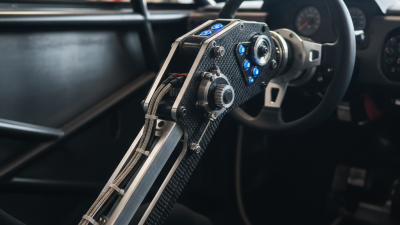
The steering column is a crucial component of any vehicle, serving as the connection between the driver and the steering mechanism. As we delve into the essential components of a steering column, it becomes clear that understanding these elements is vital for both automotive enthusiasts and everyday drivers. The components of a steering column not only play significant roles in steering control but also contribute to driver safety and vehicle functionality.

In this exploration, we will highlight ten essential components that define a steering column. Each part, from the ignition switch to the tilt mechanism, serves unique functions that enhance the overall driving experience. Understanding these components can aid in maintenance, repair, and ultimately enhance the longevity and performance of your vehicle. As we unravel the intricacies of the steering column, you'll gain insights into how these components work together to ensure a smooth and responsive driving experience, paving the way for safer journeys on the road.

10 Essential Components of a Steering Column You Need to Know

Key Functions of a Steering Column in Automotive Design

The steering column is a pivotal component in automotive design, serving multiple key functions that ensure both driver control and vehicle safety. One of the primary roles of the steering column is to connect the steering wheel to the vehicle’s steering mechanism, allowing the driver to maneuver the car with precision. This connection also facilitates the transmission of steering input efficiently, ensuring that the vehicle responds accurately to the driver's commands.

Additionally, the steering column houses various controls and systems that enhance the overall driving experience. This includes features such as turn signal switches, wiper controls, and sometimes even integrated technology like audio controls. By centralizing these functions within the steering column, designers can improve ergonomics, making it easier for drivers to access critical controls without significant distractions.

Furthermore, the steering column also plays a vital role in crash safety; in the event of a collision, modern steering columns are designed to collapse or absorb impact, protecting the driver from injury. This blend of functionality, safety, and user-centered design underscores the importance of the steering column in modern vehicles.
Essential Materials Used for Manufacturing Steering Columns

10 Essential Components of a Steering Column You Need to Know

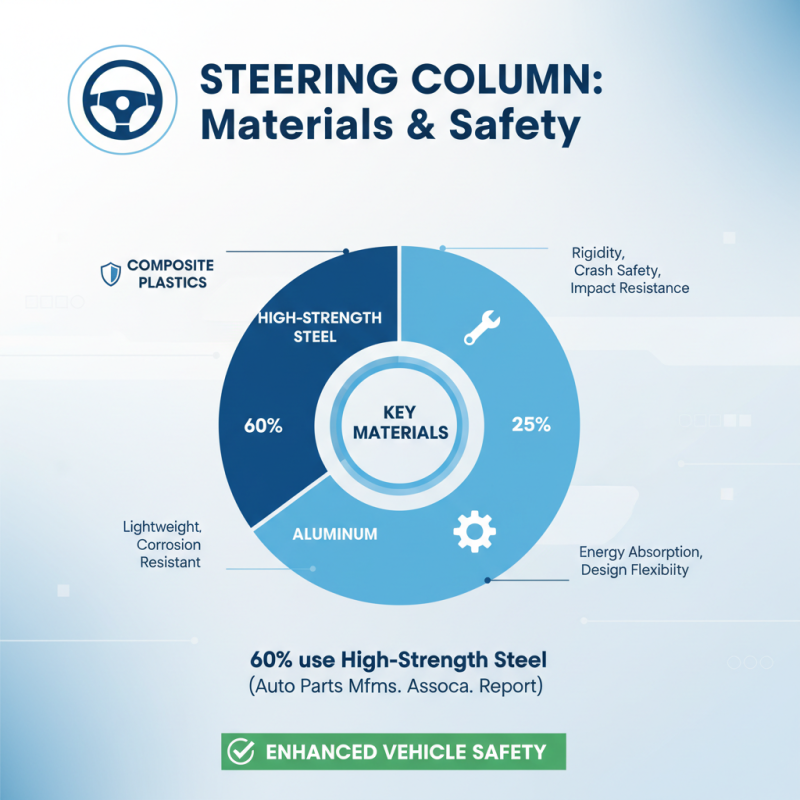
Steering columns play a crucial role in vehicle safety and functionality, and the materials used in their manufacturing significantly affect performance and durability. Typically, steering columns are constructed using a combination of high-strength steel, aluminum, and composite plastics. High-strength steel is favored for its rigidity and crash safety features, enabling it to withstand forces during impacts. According to a report from the Auto Parts Manufacturers Association, approximately 60% of modern steering columns utilize high-strength steel, which enhances the overall safety of the vehicle while reducing the risk of deformation during collisions.

Aluminum is also widely used in steering column production, particularly in vehicles aiming for weight reduction to improve fuel efficiency and handling. A study from the Society of Automotive Engineers highlights that aluminum components can reduce overall vehicle weight by up to 30%, which is crucial as manufacturers strive to meet stringent emissions regulations. Moreover, innovative composite materials are increasingly being integrated into steering column designs. These materials not only provide substantial weight savings but also exhibit excellent vibration dampening properties, enhancing driver comfort. The trend towards lightweight materials continues to reshape the steering column manufacturing landscape, reflecting the industry's commitment to improved safety and efficiency standards.

Safety Features Integrated into Modern Steering Columns

10 Essential Components of a Steering Column You Need to Know

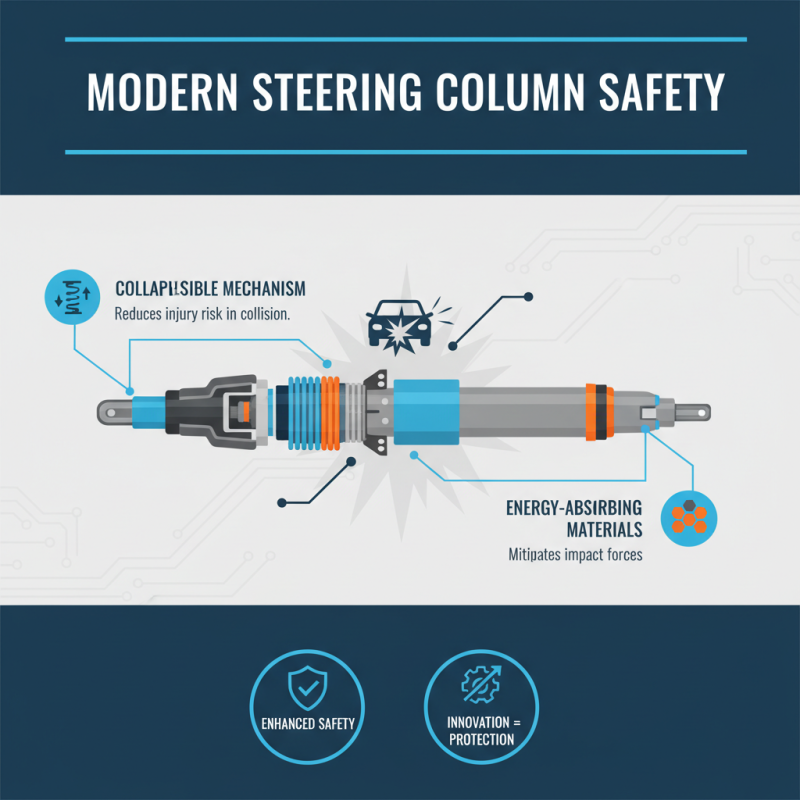
Modern steering columns are crucial components that enhance not only the functionality of vehicles but also contribute significantly to driver and passenger safety. One of the primary safety features integrated into these columns is the collapsible steering mechanism. In the event of a collision, this mechanism allows the column to compress, reducing the risk of injury to the driver by preventing the steering wheel from striking them. Additionally, modern designs often incorporate energy-absorbing materials that further mitigate impact forces, showcasing how innovation directly correlates with enhanced safety.

Tip: When evaluating the safety of your vehicle, pay attention to the steering column design and the presence of collapsible features. This can be a crucial factor in overall vehicle safety ratings.

Another significant safety feature is the incorporation of advanced user-assistance systems. Many recent steering columns are equipped with electronic controls that can connect to driver-assist technologies, such as lane departure warnings and adaptive cruise control. These systems work to enhance driving safety by providing real-time feedback and adjusting vehicle dynamics to maintain safe driving conditions. Furthermore, some steering columns now come with integrated tilt and telescoping functions that improve driver positioning, allowing for better control and visibility.

Tip: Regularly check the functionality of the tilt and telescoping adjustments in your steering column. Proper positioning can prevent fatigue and enhance overall driving safety.

The Role of the Steering Column in Vehicle Control and Maneuverability

The steering column is a pivotal component in vehicle design, directly influencing control and maneuverability. It serves not only as a support structure for the steering wheel but also houses essential mechanisms like the ignition switch and various control levers. An effective steering column can significantly enhance a driver’s response time, which is crucial for maintaining stability and safety on the road. According to the Society of Automotive Engineers (SAE), approximately 60% of vehicle handling feedback comes through the steering system, underscoring the column's importance in providing a tactile connection between the driver and the vehicle.

Moreover, recent studies have indicated that a well-engineered steering column contributes to a safer driving experience. A report from the National Highway Traffic Safety Administration (NHTSA) highlights that improper steering responsiveness can increase the likelihood of accidents by over 20%. With advancements in technology, modern steering columns are being designed to support features like electronic power steering (EPS), which enhances maneuverability and fuel efficiency. As vehicles continue to evolve, understanding the intricate design and functionality of the steering column becomes increasingly critical for both manufacturers and consumers striving for optimal performance and safety in automotive travel.

Maintenance Tips for Ensuring Steering Column Longevity and Performance

Maintaining the longevity and performance of your steering column is crucial for a smooth and safe driving experience. Regular inspection should be part of your vehicle maintenance routine. Start by checking the steering column's connections and components for any signs of wear or damage. A visually thorough inspection can often reveal issues before they escalate into more significant problems.

To further enhance the durability of your steering column, consider these tips: First, ensure that the steering column is properly lubricated. This reduces friction and wear on the internal components, allowing for smoother operation. Secondly, avoid placing excessive weight or pressure on the steering wheel while the vehicle is stationary, as this can put unnecessary strain on the steering mechanism. Lastly, keep the area around the steering column clean and free from debris; dirt and grime can cause mechanical issues over time.

By following these maintenance tips, you can help ensure that your steering column remains in optimal condition, contributing to overall vehicle performance and safety. Regular upkeep will not only extend the life of your steering system but also enhance your driving experience.

Steering Column Components Performance Analysis