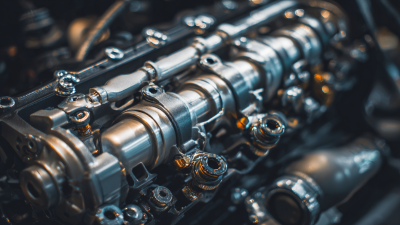
How to Choose the Right Motor Housing for Your Project?
Choosing the right motor housing for your project is crucial. The housing influences performance, durability, and compatibility. A well-selected motor housing enhances the efficiency of your motor system. There are various factors to consider. Material type is one such factor. Aluminum is common for its lightweight and corrosion resistance. Steel offers strength, but it can add weight.
Another consideration is size. Your project's dimensions dictate the housing size. A mismatch can lead to operational issues. Ensure that the housing fits the motor precisely. It can be a challenge to find the perfect fit. Additionally, reflect on thermal management. Proper ventilation is essential for cooling. Overheating can reduce performance and lifespan.
Investing time in research helps avoid future problems. Consult with experts when uncertain about your options. Gathering data on different motor housings can guide your decision. Ensure reliability and performance by choosing wisely. A good choice today can impact success down the road. Remember, a thoughtful selection of motor housing is key to project outcomes.
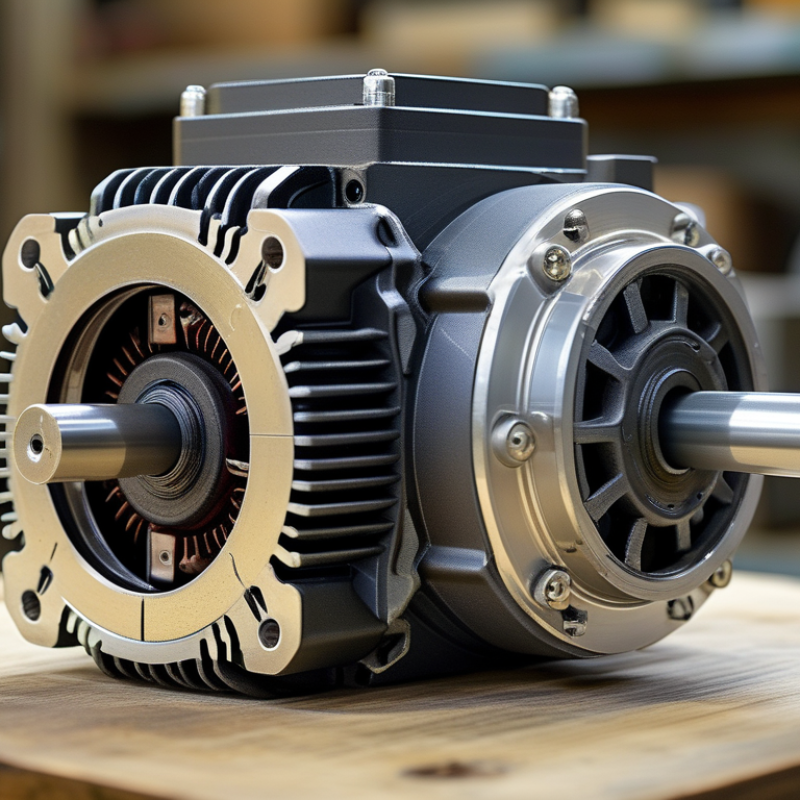
Understanding the Importance of Motor Housing in Engineering Projects
Motor housing plays a vital role in engineering projects. It provides protection for the motor components and ensures their efficiency. This is especially important in environments with dust, water, or extreme temperatures. Choosing the right motor housing can enhance the durability and performance of the entire system.
Consider the material used for the housing. Metals like aluminum provide strength and heat dissipation. However, they may be heavier than plastics. Each project might require a balance between weight and protection. Think about the installation conditions as well. Some projects may demand lightweight solutions, while others need robust support.
The design of the motor housing influences airflow and cooling. Poorly designed housings may lead to overheating. This can affect performance and shorten motor lifespan. It's crucial to consider these aspects carefully. Incomplete analysis can result in costly mistakes. Each decision should be based on real project needs and potential risks.
How to Choose the Right Motor Housing for Your Project?
| Parameter | Description | Importance |
|---|---|---|
| Material | The type of material used (aluminum, steel, plastic) | Affects the weight, durability, and cost |
| Size | The dimensions of the housing to fit specific motor types | Ensures compatibility and efficient use of space |
| Cooling Features | Inclusion of vents or fins for heat dissipation | Prevents overheating and prolongs motor life |
| Sealing | Resistance to dust and moisture ingress | Crucial for reliability in harsh environments |
| Mounting Options | How the motor housing connects with other components | Important for assembly and stability |
| Cost | The price of the housing | Affects the overall project budget |
Factors to Consider When Selecting a Motor Housing Material
Choosing the right motor housing material is crucial for the performance and longevity of any project. Consider the operating environment when selecting your material. For instance, aluminum is lightweight and resistant to corrosion, making it a popular choice for many applications. However, it may not withstand high temperatures as effectively as steel. A report from the International Journal of Advanced Manufacturing Technology indicates that steel housings can endure higher thermal loads, thus expanding their usability in heavy-duty applications.
Tips: Evaluate the temperature range of your project. Ensure that the housing material meets or exceeds these thresholds.
Another vital factor is the weight of the motor housing. A lighter housing can improve overall efficiency in mobile applications. According to industry data, lighter materials like thermoplastics can reduce the total weight of motors by up to 20%. However, the trade-off often is a decrease in durability. Stronger materials might be bulkier but are key for heavy industrial settings.
Tips: Analyze the trade-offs between weight and durability. It’s essential to prioritize based on your project’s needs.
Lastly, consider the manufacturing processes involved. Some materials are easier to mold and customize. This flexibility can lead to cost savings in prototyping. However, higher customization can sometimes lead to longer lead times, which may not be ideal for all projects. Reflect on whether speed or customization is more critical for your objectives.
Evaluating Motor Housing Sizes and Shapes for Specific Applications
Choosing the right motor housing is crucial for optimal performance in various applications. Evaluating sizes and shapes can significantly impact efficiency and durability. For example, a survey from the International Electrotechnical Commission found that around 70% of machinery failures are linked to improper component choices, including motor housings.
Motor sizes must accommodate the specific requirements of the application, such as temperature, moisture, and load conditions. The shape of the motor housing can influence the cooling efficiency and mechanical stability. A rounded design may provide better airflow, improving cooling. Alternatively, a square design might offer superior space utilization, especially in compact machines. Reports indicate that selecting the correct design can enhance motor lifespan by up to 30%.
Consideration of environmental factors is essential. For instance, motors used in corrosive environments need specialized protective coatings. The housing material should resist environmental stressors like moisture and chemicals. Data from industry standards show that ignoring these factors leads to increased maintenance costs. Inadequate housing can shorten motor life and reduce overall project efficiency. Assessing these aspects will lead to more informed decision-making while reducing unforeseen challenges.
Motor Housing Sizes and Their Applications
Assessing Environmental Factors Affecting Motor Housing Durability
When selecting a motor housing, environmental factors play a crucial role in its durability. Temperature is a major consideration. High heat can warp materials, while extreme cold may lead to brittleness. Humidity affects corrosion risk. Choosing the right materials can mitigate these issues. For instance, stainless steel is often used in humid environments, but it may not be necessary for dry settings.
Another aspect to consider is exposure to chemicals. Motor housings in factories may face harsh substances. Certain plastics and coatings resist these chemicals better than others. However, it’s important to note that no single material can withstand every environment. Regular inspections can help identify signs of wear and corrosion, allowing for timely replacements.
Furthermore, mechanical stresses from vibrations also impact motor housing longevity. Proper mounting can reduce these stresses. That said, sometimes unexpected failures occur. Reflecting on previous projects can guide future decisions. Understanding your specific environment helps achieve a durable housing solution that meets performance needs.
Best Practices for Installing and Maintaining Motor Housings
When installing motor housings, attention to detail is crucial. Start by ensuring that the surface where the housing will sit is clean and level. Any irregularities can compromise the motor's performance. Use appropriate fasteners to secure the housing firmly. If they are too loose, it may lead to vibrations, which can damage the motor over time. Always check the alignment before finalizing installation.
Routine maintenance is essential for the longevity of motor housings. Regularly inspect for signs of wear and tear. Look for rust, dirt buildup, or loose components. A clean motor housing ensures adequate cooling during operation. Clean it periodically with a suitable solvent. This process can prevent overheating, which is a common issue in motor operation. If you notice any abnormalities, it’s better to address them sooner rather than later.
Consider the environment where the motor housing will be placed. Factors like humidity, dust, and temperature can alter its effectiveness. A moisture-proof casing may be needed in certain situations. Reflect on past installations and maintenance practices. What could have been done better? Learning from previous experiences can guide future projects. Emphasizing ongoing monitoring will enhance reliability and efficiency.
Related Posts
-
Understanding Motor Housing: Key Factors to Consider for Optimal Performance and Longevity
-

Top 10 Motor Bearing Housing Solutions for Optimal Performance and Longevity
-
2026 How to Find Peterbilt Tilt Steering Column Parts?
-
Best Steering Column Drop Bracket for Custom Cars?
-
China Top 10 Kenworth Tilt Steering Column Parts for Your Truck Needs?
-
Top Types of GM Column Shifter Springs What You Need to Know?