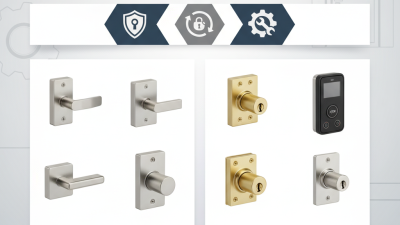
7 Tips for Choosing Commercial Door Latches
Commercial door latches may look like small hardware, but they affect daily access, security, and how smoothly a workplace operates. A latch on a busy stockroom door faces different demands from one on a quiet office door. The right choice depends on traffic, door material, existing hardware, and the way people use the space. Small details matter. A latch that feels sturdy in a showroom may prove awkward when staff carry boxes through a doorway all day.
This guide introduces seven practical tips for comparing latch types and specifications. You’ll consider durability, ease of operation, compatibility, maintenance, and the conditions around each door. Check the manufacturer’s product information, including dimensions and installation requirements, rather than judging by appearance alone. Where a door has specialized requirements, confirm suitability with the manufacturer or a qualified installer. These checks can prevent avoidable fit problems and premature wear. Still, no checklist replaces looking closely at the actual door and its daily use. Buyers sometimes overlook that part. A careful selection process should balance reliable operation with realistic upkeep, not simply choose the most expensive option. The best commercial door latches are those that fit the opening, suit the people using it, and perform consistently over time.
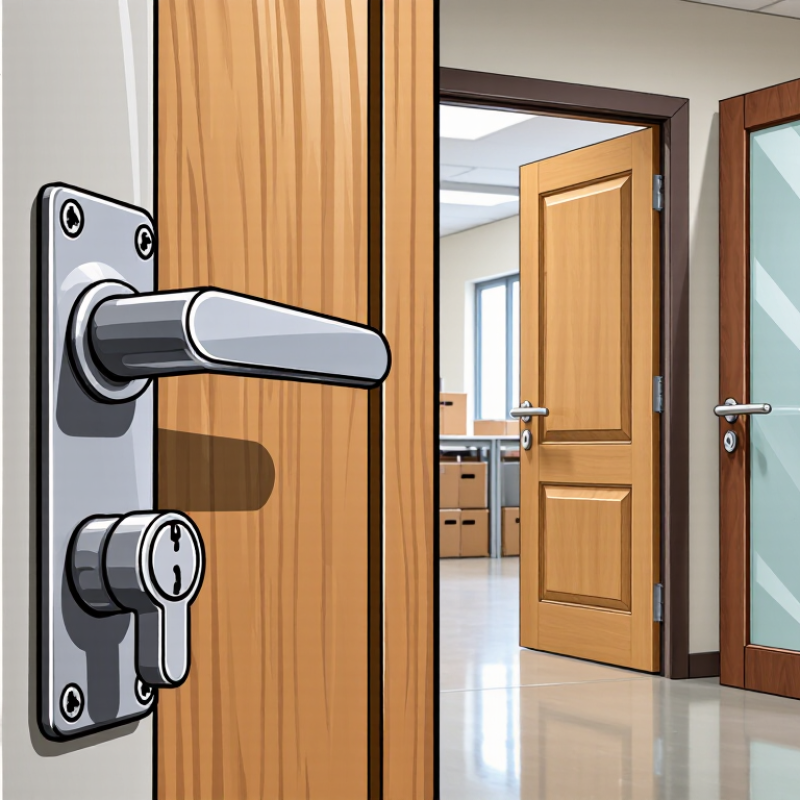
Understand the Door’s Purpose and Expected Traffic
A latch should match what the door does, not just how it looks. A conference room may need privacy, while a busy corridor usually needs simple passage. Storage rooms often require a latch that stays secure between staff visits. Small differences matter. Consider who uses the door, whether they carry carts or equipment, and how often it opens during a typical shift.
Traffic changes wear. A latch on a loading-area door may face repeated use, vibration, and occasional impacts from carts. Choose hardware rated for the expected frequency of use, and check that its strike aligns cleanly with the frame. A latch that catches only when someone pulls the door hard can become a daily nuisance. It is easy to underestimate this detail during a quick walkthrough.
Also consider the door’s role in an exit route or a controlled-access area. The latch must work with the door assembly and any applicable safety requirements; confirm compatibility with a qualified installer when the use is unclear. Measure the door thickness and note its handing before selecting hardware. I would not assume that a “heavy-duty” label alone guarantees a good fit. Real traffic patterns can be uneven, and the busiest hour may reveal what a quiet site visit misses.
Check Door and Hardware Compatibility
A latch that looks right can still fail to fit. Check the door’s material, thickness, edge preparation, and swing before selecting hardware. Measure the backset from the door edge to the center of the bore; then compare the bore diameter and latch-face dimensions with the product template. Measure twice. A small mismatch can leave the latch rubbing or the trim sitting crooked.
The U.S. Energy Information Administration’s 2018 Commercial Buildings Energy Consumption Survey estimated 5.9 million commercial buildings nationwide. That varied building stock is a reminder not to assume every opening is standard. Confirm whether the door uses cylindrical or mortise preparation, and match the latch to its existing cutouts. Check handing, latch bevel, strike location, and frame clearance together. A latch may fit the door but miss the strike by a few millimeters.
For rated openings, verify that the latch and related hardware are approved for the specific door assembly; do not enlarge cutouts casually. ANSI/BHMA standards, including A156.2 for bored locks and A156.13 for mortise locks, help define performance and product testing. Still, a standard does not confirm a particular door’s dimensions. Compare measurements with the hardware template, and flag uncertain prep for a qualified door professional. It can feel overly cautious. Better that than forcing a poor fit.
7 Tips for Choosing Commercial Door Latches: Check Door and Hardware Compatibility
Common nominal dimensions to verify when checking whether a latch fits a door. Actual requirements vary by door and hardware specifications.
Before ordering, measure the door thickness and backset, then confirm the latch’s stated range and door preparation requirements. Also check the faceplate, strike, handing, and applicable fire-door requirements.
Compare Latch Types, Materials, and Durability
A commercial door latch should match the door’s job, not just its appearance. A passage latch suits doors that need to open from either side without locking. A privacy latch adds a simple lock for rooms requiring occasional privacy. Mortise latches fit into a pocket cut in the door, while surface-mounted models can be useful when cutting is impractical. Check the door’s thickness, handing, and frame alignment before comparing options. Small details matter.
Material affects both service life and maintenance. Stainless steel generally resists corrosion well in damp or frequently cleaned areas. Brass can offer good corrosion resistance, while some zinc-alloy parts may be better suited to lighter use. Compare the latch’s stated cycle rating and finish, but treat ratings as a guide, not a guarantee. A busy corridor can wear hardware faster than a quiet office. Fit matters. If a latch scrapes, sticks, or needs a hard push, investigate alignment before replacing it; the latch may not be the only problem. Check that the chosen model suits the door material and expected traffic, and follow its installation and care instructions. A little uncertainty is normal here: site conditions often reveal issues that a product sheet cannot.
7 Tips for Choosing Commercial Door Latches - Compare Latch Types, Materials, and Durability
Use this comparison to match the latch and lock preparation to the door, traffic level, security needs, and applicable building requirements.
| Tip | What to Compare | Options and Practical Differences | Selection Guidance |
|---|---|---|---|
| 1. Match the latch type to the door preparation | Lock format and door cutout | A cylindrical lock fits a bored cross-bore preparation. A mortise lock fits a pocket cut into the door edge and typically combines the latchbolt and lock case in one assembly. A separate tubular latch is a simpler mechanism and is not automatically suitable for every commercial application. | Check the existing door, frame, and hardware preparation before ordering. Confirm the product is intended for the door type and level of use. |
| 2. Choose the right latching function | Passage, privacy, keyed entry, or exit | Passage sets latch without a keyed lock. Privacy functions add an interior privacy lock. Keyed-entry functions control access. A deadlatch uses an auxiliary plunger alongside the latchbolt to help resist latchbolt retraction by shimming. | Define who needs access from each side and whether the opening is part of a required exit route. A deadlatch is not a substitute for a complete security assessment. |
| 3. Select materials for the environment | Latchbolt, spring, case, and exposed trim materials | Stainless steel is often selected for corrosion resistance, especially in damp or exposed locations; grade and finish matter. Brass and steel components are common in hardware assemblies. Zinc alloys are also used for some components, but their suitability depends on design and application. | For coastal, wash-down, or high-humidity areas, verify corrosion-resistance details for the complete assembly—not just the visible trim. Confirm compatibility with the door and frame. |
| 4. Evaluate durability by tested performance | Duty rating, cycle testing, and intended traffic | ANSI/BHMA performance grades are assigned under standards for specific hardware categories and are based on testing that can include cycles, strength, and other performance criteria. A grade should be checked against the relevant product type rather than treated as a universal rating. | For busy entrances, compare the applicable standard, grade, and manufacturer-published test information. Do not rely on appearance or material alone as a measure of service life. |
| 5. Check door and frame compatibility | Door thickness, edge, handing, strike, and latch projection | Latch assemblies and strikes are designed for particular door preparations and dimensions. Door material, thickness, handing, frame alignment, and strike position can affect proper engagement and smooth operation. | Measure the door and verify the backset, edge preparation, strike dimensions, and handing before purchase. A correctly aligned strike helps the latch engage reliably. |
| 6. Account for fire and egress requirements | Fire-door listing and exit hardware requirements | Hardware used on a fire-rated opening must be compatible with the door assembly’s listing and applicable requirements. Where panic or fire-exit hardware is required, use a device designed and listed for that purpose; an ordinary latch is not a replacement. | Confirm requirements with the door label, building plans, and local code or authority having jurisdiction. Avoid field modifications that could invalidate a fire-door listing. |
| 7. Consider maintenance and replacement needs | Serviceability, finish, and spare parts | High-use latches may need periodic inspection for loose fasteners, misalignment, sticking, or worn components. Finishes can wear differently depending on cleaning products, handling, and exposure. | Choose hardware with clear maintenance instructions and readily available compatible components. Inspect and maintain it according to the product instructions and site requirements. |
Note: Requirements vary by jurisdiction, occupancy, door type, and opening function. Verify applicable codes, listings, and product documentation before installation.
Assess Security, Accessibility, and Code Requirements
A commercial door latch must protect people and property without making the door difficult to use. Start by identifying the door’s purpose, traffic level, and required privacy. A stockroom may need controlled access, while a public washroom needs a latch that is easy to operate and clearly indicates occupancy. On a busy clinic door, even a small delay can frustrate visitors or interrupt staff. Security matters, but convenience matters too.
Check accessibility requirements before choosing a mechanism. Many standards call for hardware operable with one hand, without tight grasping, pinching, or twisting. Lever handles often work better than small round knobs, but the full door setup still needs assessment. Try it from both sides. Small detail, big difference. Also check how the latch interacts with the door closer and access-control system; an easy handle is no help if the door resists opening.
Code requirements vary by location and building use, so confirm the applicable rules with the local authority or a qualified professional. Pay particular attention to exit routes, accessibility, and fire-rated doors. A fire door may require compatible, approved hardware, and field changes can affect its performance. Do not assume a familiar latch is acceptable everywhere. Measure the door, review its rating, and test the finished installation under normal conditions. Even careful teams miss things sometimes. A second inspection is worthwhile.
Review Installation, Maintenance, and Long-Term Costs
A commercial door latch should match the door, its daily traffic, and the way people use the space. A busy stockroom door may need more frequent attention than a quiet office door. Check door thickness, latch dimensions, strike position, and existing holes before ordering. Small mismatches can add labor or require extra drilling. Installation costs also depend on door material and alignment. A latch that looks simple on a counter can be fiddly on a slightly warped door.
Tip: Measure the backset, door thickness, and handing, then compare them with the latch instructions. Ask the installer whether the existing preparation will work. This quick check can prevent a second visit. Still, measurements do not reveal every problem; older doors may shift or sag.
Plan for maintenance and long-term costs, not just the purchase price. Inspect screws, latch movement, and strike alignment during routine building checks. Clean and lubricate components only as the manufacturer recommends. Dust, paint buildup, and loose hardware can make a latch feel unreliable. A lower-cost unit may need earlier replacement, while a durable option can reduce service calls. I would not assume the most expensive choice is automatically best. Compare expected use, repair access, replacement parts, and installation time before deciding.
Related Posts
-
The 10 Best Commercial Door Latches You Need to Know?
-

The Ultimate Guide to Choosing the Right Commercial Door Latches for Maximum Security
-

Top Commercial Door Latches for Enhanced Security and Convenience
-

China Best Danfoss Steering Column Manufacturer?
-

10 Essential Tips for Off Road Steering Column Maintenance and Upgrades?
-
How to Choose the Right Part of Door That Latches?