Who Is the Best Roll Coating Machine Manufacturer in China?
Choosing the best Roll Coating Machine manufacturer in China depends on more than a low quotation or polished product photos. The right supplier should match your coating material, substrate, production speed, and required film thickness. A machine designed for metal sheets may not suit paper, wood panels, or flexible materials. Small details matter. Roller hardness, alignment, drying capacity, and control settings can all affect the finished surface.
This guide explains how to compare Chinese manufacturers using practical, verifiable criteria. Look for clear specifications, documented quality checks, relevant installation experience, and responsive technical support. Ask how the manufacturer tests coating uniformity and handles adjustments after commissioning. If possible, review a sample run using your own material. Watch for streaks, uneven edges, and changes in coating thickness. A demonstration helps, but it does not replace checking references or confirming what the quotation includes.
There is no single supplier that is best for every buyer. That answer can be inconvenient. It is also more honest. A smaller factory may offer useful customization, while a larger manufacturer may provide broader engineering resources. Both claims need evidence. Compare drawings, component brands, service terms, lead times, and operating costs before deciding. This article offers a structured starting point, not a guarantee of performance. Verify important details directly, and leave room for questions that a sales brochure cannot answer.
What Is a Roll Coating Machine and Where Is It Used?
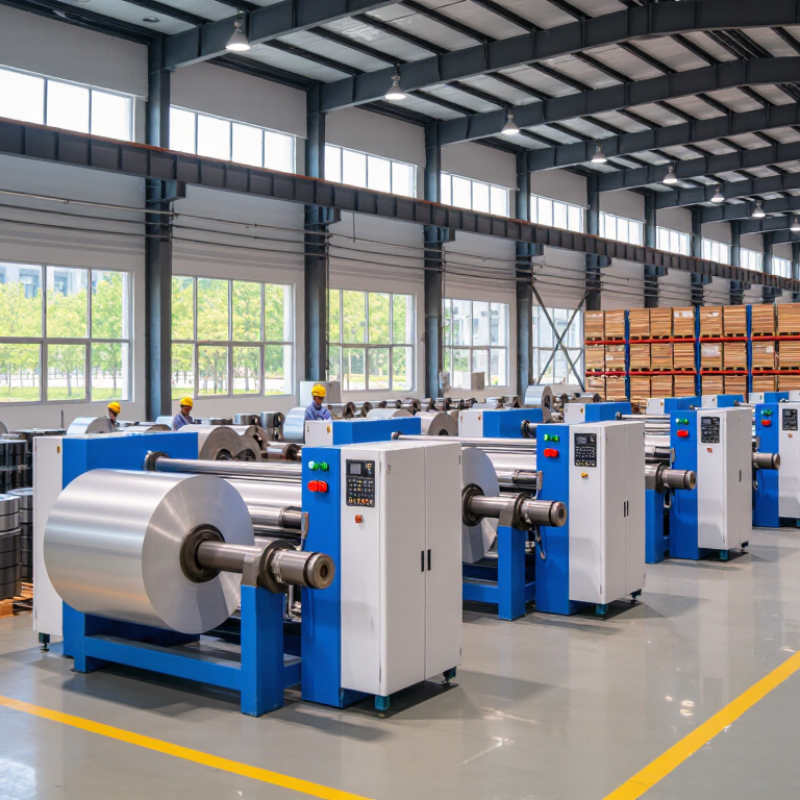
A roll coating machine applies a controlled liquid layer to a moving surface. One or more rollers transfer and meter the coating onto materials such as paper, metal foil, plastic film, or fabric. Depending on the process, the line may use direct, reverse, or gravure coating. Operators adjust roller gaps, speed, pressure, and drying conditions to control thickness and uniformity. A small setting change can leave streaks or uneven edges.
These machines serve flexible packaging, labels, flooring, construction materials, and battery production. For example, battery makers coat thin metal foil with electrode slurry before drying and further processing. The International Energy Agency’s Global EV Outlook 2024 reports that electric-car battery demand reached about 750 GWh in 2023, roughly 40% above 2022. That figure does not measure coating-machine sales, but it shows the scale of a key application. Real production results still depend on slurry properties, web tension, and careful setup.
Tips: Check coating width, material compatibility, speed range, and cleaning access against your actual production needs. Ask for a trial using your own substrate and coating. It may reveal issues a brochure misses. A perfect setup on paper can still behave differently on the factory floor.
How to Evaluate Roll Coating Machine Manufacturers in China
Who Is the Best Roll Coating Machine Manufacturer in China?
How to Evaluate Roll Coating Machine Manufacturers in China
Evaluate a manufacturer by asking for evidence under your actual production conditions. Specify your substrate, coating material, working width, target film thickness, and line speed. During a factory test, inspect sample panels across the full width, not just the center. Look for edge buildup, streaks, pinholes, and thickness variation. Ask how the machine controls roll alignment, web tension, and coating gaps. No brochure proves that.
The market context matters, but it is not a quality score. Grand View Research’s 2023 Paints and Coatings Market report valued the global market at USD 179.98 billion in 2022 and forecast 4.3% annual growth from 2023 to 2030. That scale makes repeatable coating performance commercially important; it does not identify the best machine supplier. Request a documented acceptance test using your own material, with measurements at low, target, and high speeds. Check cleaning access, changeover time, spare-parts availability, and service response terms. Speak with operators at comparable installations, and ask what they would change. Their answer may reveal more than a polished presentation.
Key Manufacturers and Their Areas of Specialization
China’s roll coating machine manufacturers often specialize by process, material, and production scale. Some focus on precision coating for thin films, paper, or metal foil. Their equipment may include adjustable rollers, tension controls, and enclosed coating heads. These details matter when a line must maintain even coverage across a wide web. A small variation can become visible as streaks or uneven thickness.
Other manufacturers build customized systems for adhesives, functional coatings, or continuous industrial production. Their strengths may include integrating dryers, unwinding units, and inspection stations into one line. Buyers should ask for coating-width ranges, speed limits, material compatibility, and trial-run data. A polished brochure is not enough. Ask how the machine handles startup, cleaning, and changes between products.
Some suppliers serve smaller workshops with simpler, more affordable machines, while others engineer automated lines for larger plants. The right fit depends on the coating formula, target output, and available floor space. It is useful to inspect a similar machine running a comparable material, rather than relying only on specifications. Not always possible. Even experienced buyers can overlook operator training and spare-part access, so these deserve discussion before purchase.
Who Is the Best Roll Coating Machine Manufacturer in China? — Key Manufacturers and Their Areas of Specialization
| Manufacturer Type | Typical Specialization | Common Coating Methods | Typical Materials and Applications | Key Strengths | Points to Verify |
|---|---|---|---|---|---|
| Flexible Packaging Line Builder | Integrated web-handling and coating lines for packaging production | Gravure, reverse-roll, and slot-die coating, depending on the line design | Plastic films, paper, and foil used in packaging and converting | Can combine unwinding, coating, drying, and rewinding equipment in one production line | Confirm compatibility with the substrate, coating formulation, working width, and required drying capacity |
| Precision Web-Coating Equipment Specialist | Controlled application of thin or uniform coatings on continuous webs | Slot-die, comma, knife-over-roll, and reverse-roll coating | Films, paper, metal foil, and specialty web materials | Offers process options suited to different coating viscosities and wet-film requirements | Ask for coating-uniformity data and trials using the intended material and formulation |
| Adhesive and Label-Coating Line Supplier | Coating and drying systems for pressure-sensitive adhesive and label-stock production | Knife-over-roll, comma coating, and slot-die coating | Release liners, label facestock, paper, and polymer films | Focuses on web handling and drying requirements associated with adhesive coatings | Check drying-zone configuration, exhaust provisions, and suitability for the specific adhesive chemistry |
| Battery and Functional-Film Equipment Builder | Roll-to-roll coating equipment for functional layers and electrode production | Slot-die and comma coating; other methods may be used for particular formulations | Metal foil, polymer film, and other functional substrates | Can be configured for controlled coating, drying, and tension management in continuous processes | Verify cleanliness requirements, process controls, drying conditions, and application-specific quality criteria |
| Compact or Custom-Machine Manufacturer | Pilot, laboratory, or application-specific roll-coating systems | Often configurable with slot-die, knife, comma, or roll applicators | Research samples, pilot runs, and specialty materials | May offer flexible configurations for process development or lower-volume production | Confirm usable coating width, repeatability, control features, and whether the machine is designed for continuous production |
There is no single best manufacturer for every application. The profiles above describe common areas of specialization rather than named companies or verified rankings. Compare suppliers using application trials, technical specifications, service capability, and references for similar materials and processes.
How to Compare Machine Quality, Service, and Total Cost
A strong roll coating machine manufacturer is not defined by a polished brochure. Compare coating uniformity, frame rigidity, roller runout, and control stability under your actual production conditions. Ask to run your own substrate, coating material, and target speed. Inspect the finished roll for streaks, edge buildup, and thickness variation. Small defects matter.
Service quality is easier to judge through specific questions. Who handles installation and operator training? How quickly can common wear parts be shipped? Ask for a clear maintenance schedule and support response times, then speak with a recent customer if possible. A showroom run is not a production shift. I would still treat any demonstration as limited evidence; factory conditions can differ from yours.
Compare total cost using the same machine configuration and delivery terms. Include tooling, packing, freight, installation, utilities, cleaning time, and likely downtime during changeovers. A lower quotation may omit items that appear later. Request an itemized offer and confirm which spare parts are included. Some operating costs remain estimates, especially before long production trials, so leave room for uncertainty rather than trusting one neat spreadsheet.
How to Compare Roll Coating Machine Manufacturers
Example evaluation weights for comparing machine quality, service, and total cost of ownership. These are starting-point weights, not market-survey results; adjust them to fit your project.
Compare suppliers using the same criteria and request evidence such as coating-uniformity test results, warranty terms, spare-parts lead times, and a written estimate of operating and maintenance costs.
How to Choose the Best Manufacturer for Your Production Needs
A roll coating machine must match your material, not merely your target output. Define substrate width, thickness, coating chemistry, viscosity, wet-film weight, and required line speed before comparing suppliers. Ask how the machine handles edge control, tension changes, and cleaning between runs. Small details matter: a streak near the web edge can waste an entire roll.
Deloitte’s 2024 Smart Manufacturing and Operations Survey found that 86% of surveyed manufacturing executives expect smart manufacturing to be a primary driver of competitiveness within five years. For buyers, that makes controls and usable production data worth checking. Ask whether operators can track speed, temperature, alarms, and coating settings, and whether the system records batches. Fancy dashboards are not enough. Can your team use the data?
Request a trial using your actual substrate and coating, then inspect uniformity, start-up waste, and changeover time. Review factory acceptance tests, spare-parts availability, installation support, and response times. Speak with users running similar materials and working widths. I would not select a supplier from a polished sample alone; real production conditions are less tidy. Test it first. A clear written specification helps expose gaps, though it may still miss an awkward cleaning step.